
Energy-Code Windows That Pass Inspection and Keep Seattle's Rain Out of the Wall
Egress sizing, rough opening preparation, and air sealing handled as one coordinated installation scope.
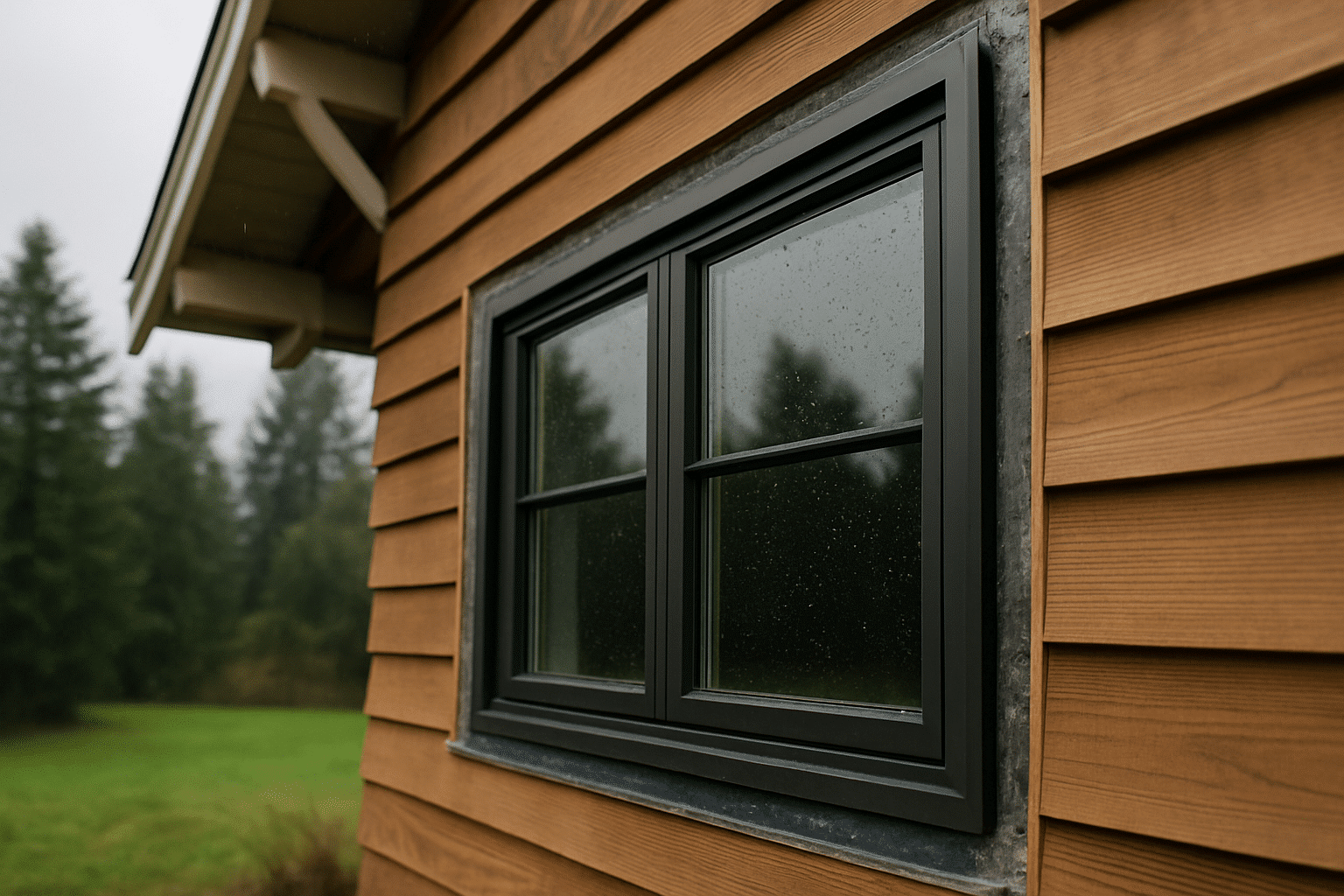
What We Do
What Window and Door Installation in Seattle Actually Involves
Seattle window replacement is a code-compliance project as much as a home improvement project.
Most homeowners pick a replacement window based on looks and price. Then they hit the permit stage and discover the product they ordered doesn't qualify under Washington's current energy code. That's a real delay, and it's avoidable.
The Washington State Energy Code sets a maximum U-factor of 0.28 for any residential replacement window. A U-factor measures how quickly a window loses heat, lower numbers mean better insulation. The 2021 WSEC limit of 0.28 applies to permitted window replacement Seattle WA projects across all 17 cities we serve. For a full overview of Seattle permit requirements and timelines, including what triggers plan review versus over-the-counter approval, see our dedicated permit guide. You can also access the Seattle Department of Construction & Inspections permit portal directly to confirm current submittal requirements for your jurisdiction.
This page covers three things: WSEC U-factor compliance and how we confirm it before ordering; egress window sizing, the minimum opening dimensions required for bedroom windows under the building code, and what it means for Seattle homes; and flashing and air sealing, the water-management layer that keeps Seattle's rain out of the wall cavity behind every new window or door.
All three are managed in-house on every installation we run.
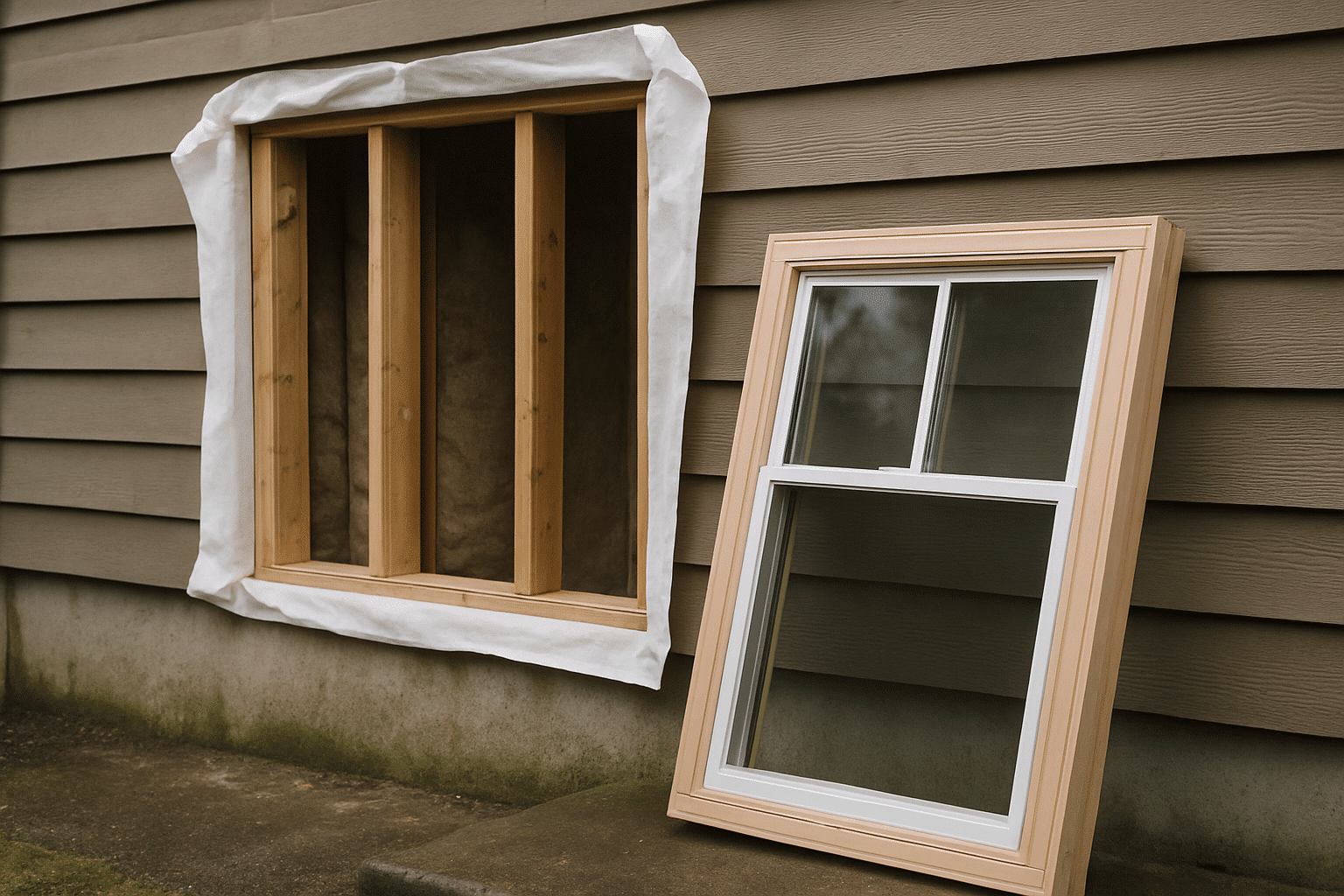
Local Experience
Installing Windows and Doors on Seattle Homes Since 2015
RT Signature Homes has installed windows and exterior doors across the Seattle metro since 2015.
We operate from our Redmond office on 148th Ave NE. That's ten years of working on homes built in the 1940s through the 2010s, each with different wall assemblies, different header layouts, and different levels of moisture damage waiting at the rough opening, the framed wall opening that receives the window or door unit.
Seattle gets 37 inches of rain per year. Most of it falls between October and April in sustained, low-intensity rainfall that wets wall assemblies slowly and deeply. We've opened rough openings in homes across Capitol Hill, Beacon Hill, and Queen Anne that showed framing damage from missing or failed flashing. Not because the windows were old. Because the flashing was never done right.
Window and door installation in Seattle has to account for that. We confirm rough opening conditions, framing integrity, and header sizing before any product is ordered. That's standard procedure on every project.
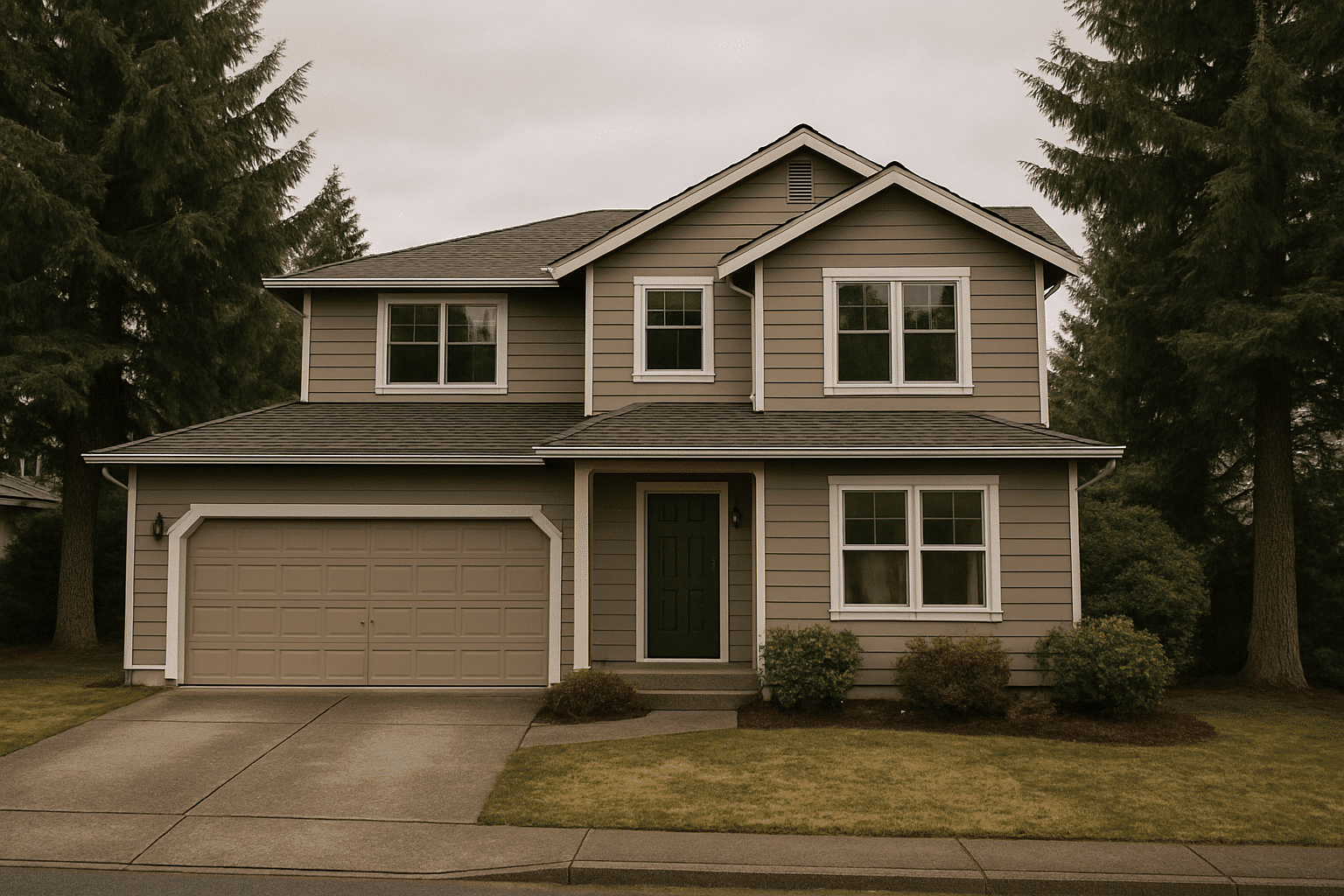
What We Do
What I Find When We Open a Rough Opening in a Seattle Home
Every rough opening tells a story before the new unit goes in.
I've been managing installation projects for RT Signature Homes since we started in 2015. Rough openings in Seattle homes are rarely what they look like from the inside.
On a recent project in Shoreline, a 1972 ranch with aluminum-frame single-pane windows, the homeowner had already selected her replacement units. She'd done her research and chosen a vinyl double-pane window from a national manufacturer. The product looked right. The price was reasonable. The U-factor was 0.31, above the 2021 WSEC maximum of 0.28. If we'd ordered and installed it, the building inspector would have flagged it at the window label check during the framing inspection.
We caught it before anything was ordered. We confirmed the U-factor spec in writing with the manufacturer. We identified two qualifying alternatives at a comparable price point, and the homeowner chose one before the permit application was even filed.
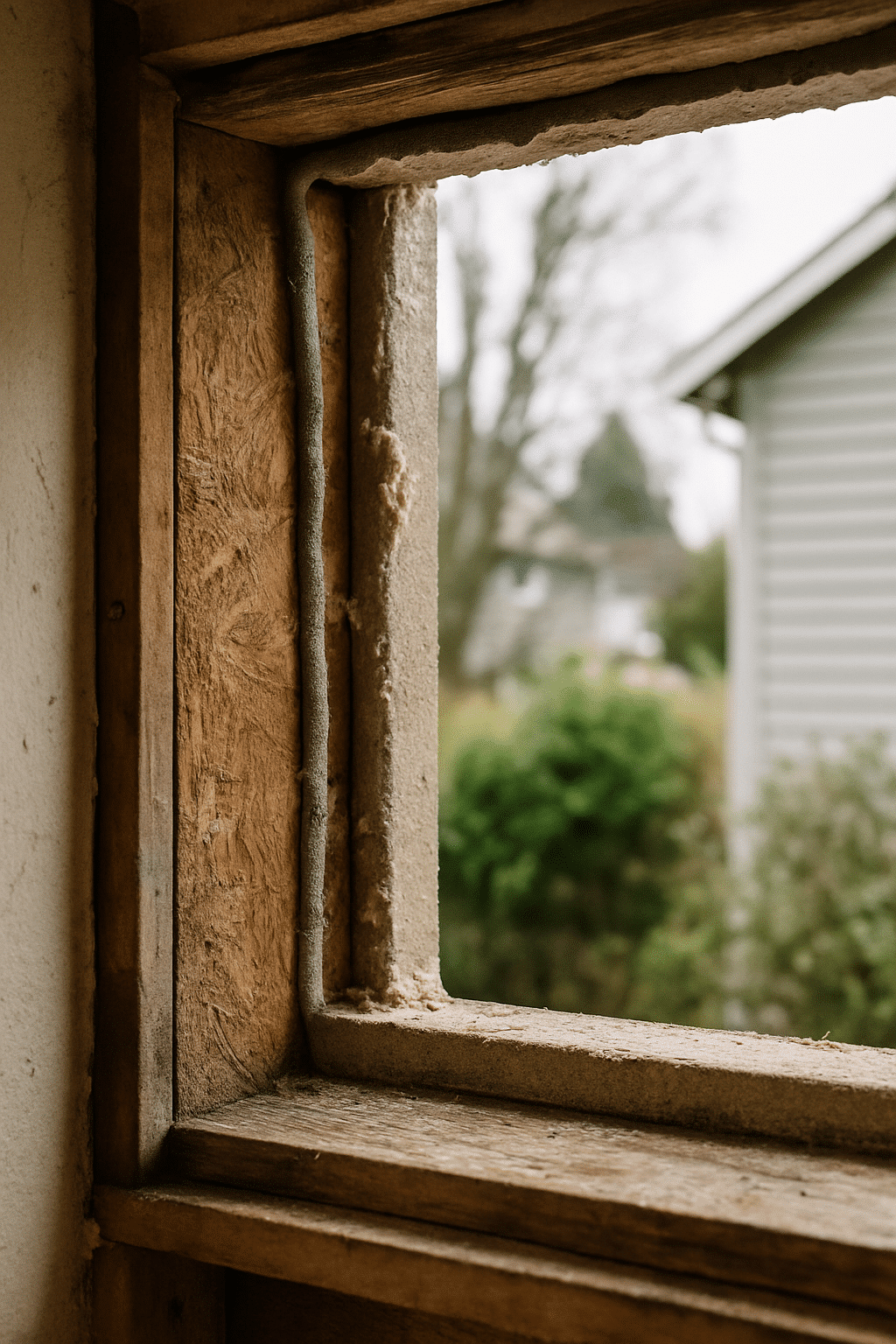
When we opened the first rough opening on that project, we found the original sill plate was soft from moisture decay, not rotted through, but showing early-stage breakdown from a previous window installed without a proper sill pan flashing. For more on how Seattle's rain and climate impact on materials and what that means for rough opening conditions across different neighborhoods and construction eras, see our climate factors resource. We replaced the sill framing, ran self-adhering membrane flashing tape, a water-shedding layer applied around the opening before the unit is set, to the manufacturer's installation spec, and set the new unit into a properly prepared opening.
That's what window replacement looks like when you manage the code compliance and the installation condition together, not separately.
- RT Signature Homes Project Management Team, Redmond, WA
What We Do
Your U-Factor Is Confirmed Before the Product Is Ordered
We verify WSEC U-factor compliance before a single window is purchased, not after.
Here's how we handle it: as a licensed Seattle design-build contractor since 2015, every window product proposed for a permitted Seattle installation gets confirmed against the 2021 WSEC U-0.28 maximum before the order is placed. We pull the manufacturer's NFRC performance data, confirm the U-factor for the specific product and size, and document it in the project file.
If a product doesn't qualify, we identify one that does, at the same time, before any money changes hands on materials.
This matters because Seattle's building inspectors check the window label during inspection. The NFRC label is physically on the unit. There's no workaround at that stage. Getting the compliance confirmed before ordering means your project closes out without last-minute substitutions that push the final inspection back two weeks.

Our Standards
Our Standards for Window and Door Installation
Every installation meets the 2021 WSEC and Seattle's adopted IRC provisions, documented before it starts.
- U-factor verification: NFRC performance data confirmed for every window product before ordering. Maximum U-0.28 per 2021 WSEC. The NFRC energy performance label for windows is the document inspectors check at the framing inspection, we confirm it matches the specified product and size before the order is placed.
- Egress sizing check: Bedroom windows reviewed against IRC Section R310 minimums. Minimums are:
- Net clear opening: 5.7 sq ft
- Clear height: 24 inches minimum
- Clear width: 20 inches minimum
- Sill height: no higher than 44 inches above finished floor
- Rough opening inspection: Framing condition and header sizing assessed before demolition of the old unit.
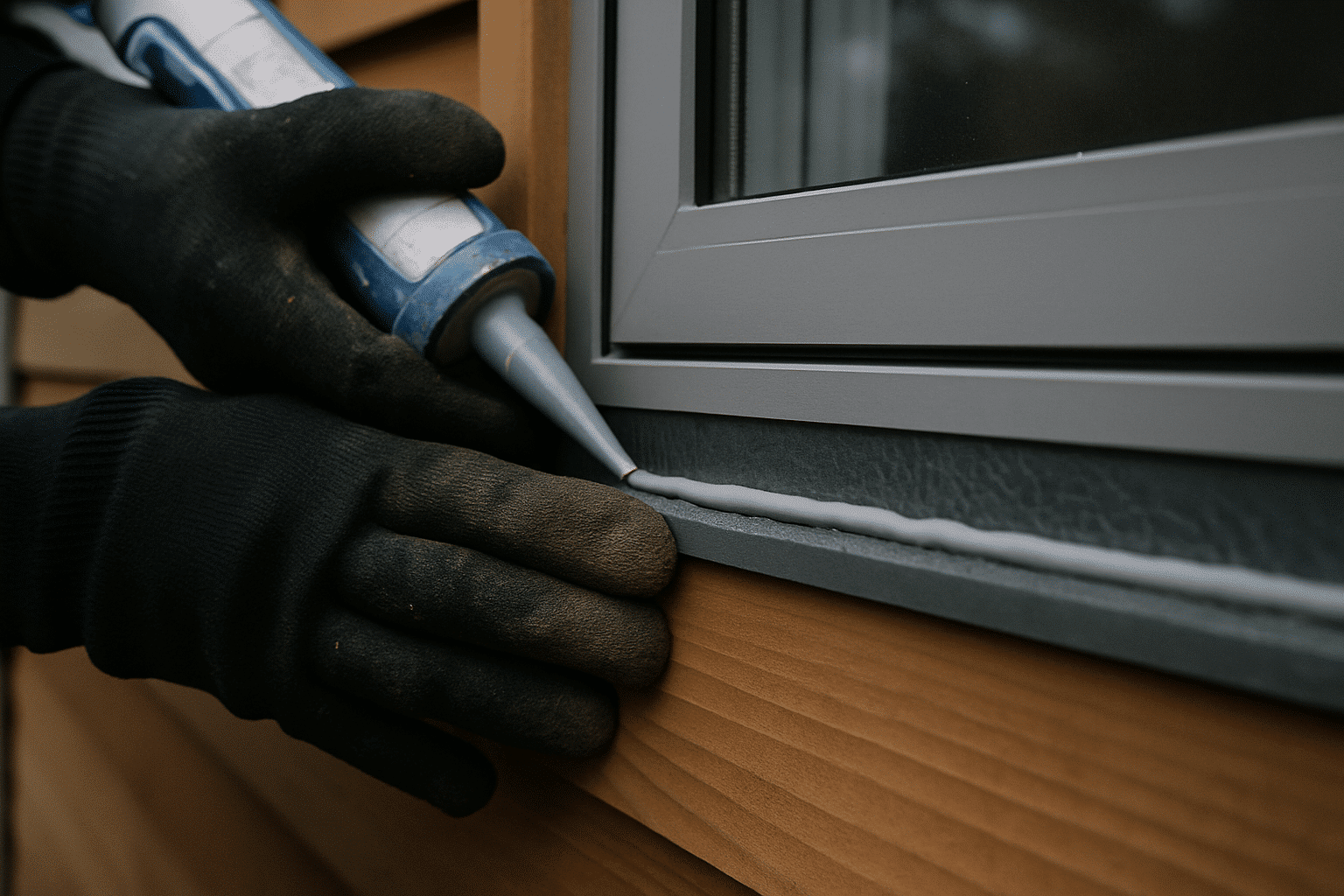
- Flashing system: Self-adhering membrane at sill pan, flashing tape at jambs and head, installed in correct sequence per the manufacturer's water management detail.
- Air sealing: Low-expansion foam or backer rod and caulk applied at the gap between the frame and rough opening framing, required under WSEC as part of the building envelope air barrier to prevent heat loss and moisture infiltration around the installed unit.
- Permit coordination: Applications filed, inspections scheduled, and permit close-out managed by our in-house project managers.
The manufacturer's installation manual specifies the flashing tape sequence for a warranted assembly in a rain-exposed climate. We follow it on every project.
The Process
How We Execute a Window and Door Installation
Rough Opening Assessment and Product Verification
We assess the opening before the product is specified, not after.
The assessment phase starts with a site visit to measure existing openings, evaluate framing condition at rough opening edges, and confirm header sizing. Egress window installation Seattle projects require us to verify each sleeping-room window's rough opening against IRC R310 minimums. When an existing opening is undersized, we scope the framing modification before any product selection begins.
For exterior doors, we confirm the door rough opening's structural header, a double or triple LVL beam spanning the opening to carry load from the framing above. Header size depends on opening width and the load above it. Confirming this before the order is placed determines product sizing and prevents field adjustments after delivery.
Flashing Installation Sequence
Window flashing is a layered system, sequence matters.
Installation follows a defined order. Sill pan flashing, a self-adhering membrane, goes in first, sloped to drain outward. Jamb flashing tape is applied next, lapped over the sill membrane. The window unit is set, shimmed, and fastened to the rough opening framing. Head flashing tape goes on last, lapped over the jamb tape. Air sealing at the frame perimeter completes the assembly.
When a bedroom window is undersized for egress, the rough opening modification involves cutting and reheading the framed wall opening, permitted structural work requiring a building inspection. Door installation follows the same flashing sequence, with additional attention to the threshold condition and the confirmed structural header at the door rough opening. For projects where window replacement coincides with interior remodeling work paired with window replacement, including drywall patching, trim replacement, or rough opening framing modifications, we coordinate both scopes under a single installation sequence to avoid redundant wall openings and finish callbacks.
Function Check and Flashing Verification
Every installed unit is tested before the wall closes.
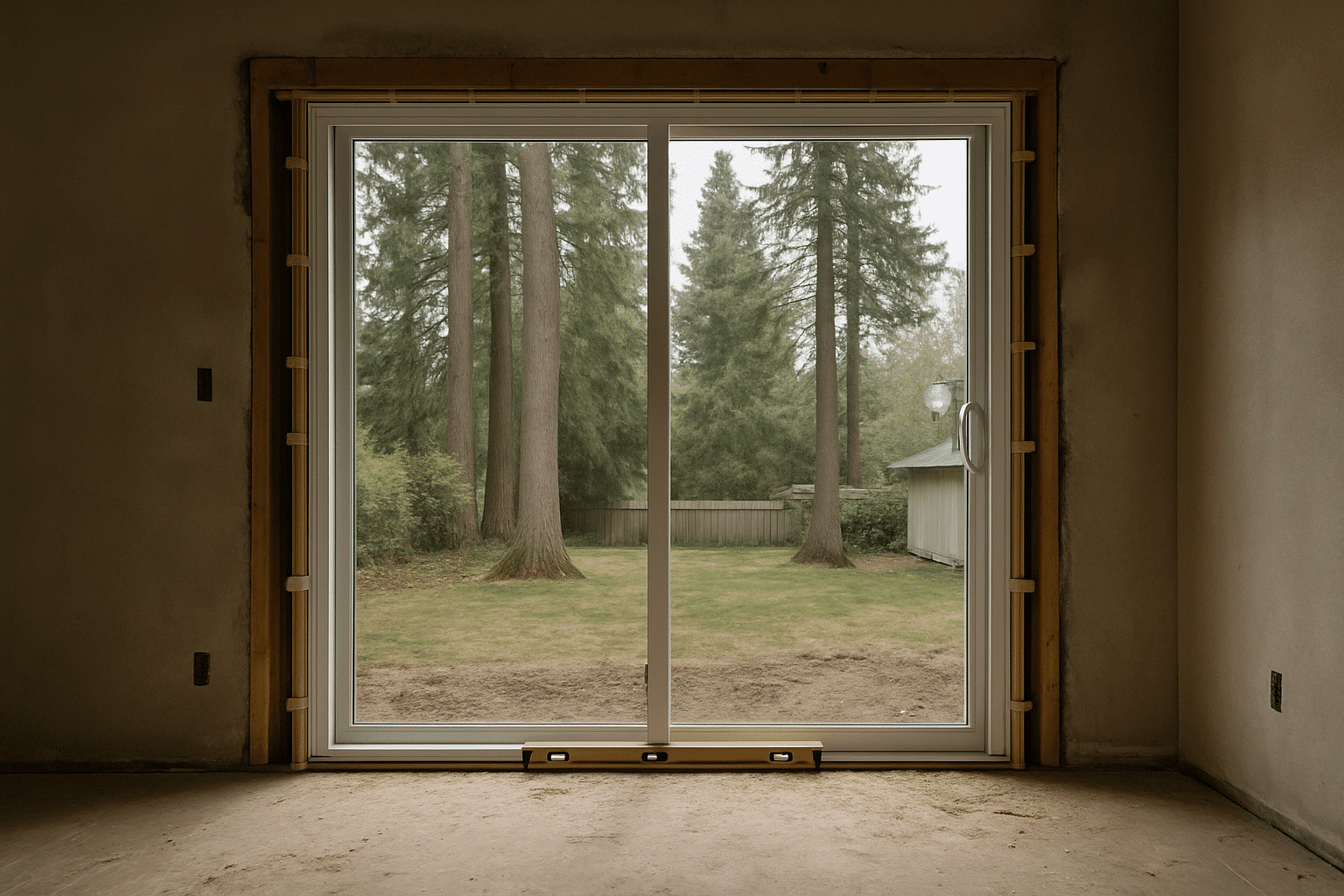
Before any interior trim is reinstalled, we cycle every window, opening, closing, locking, and unlocking, to confirm the unit operates without binding. We visually inspect the flashing assembly for gaps, exposed membrane edges, or incomplete tape bonds. Air sealing at the perimeter is checked for voids.
For egress windows, we confirm the window opens from the inside without a key or special knowledge, per IRC R310. That's a physical test at every unit, not a paperwork check.
What We Do
When Window Replacement Requires a Permit in Seattle
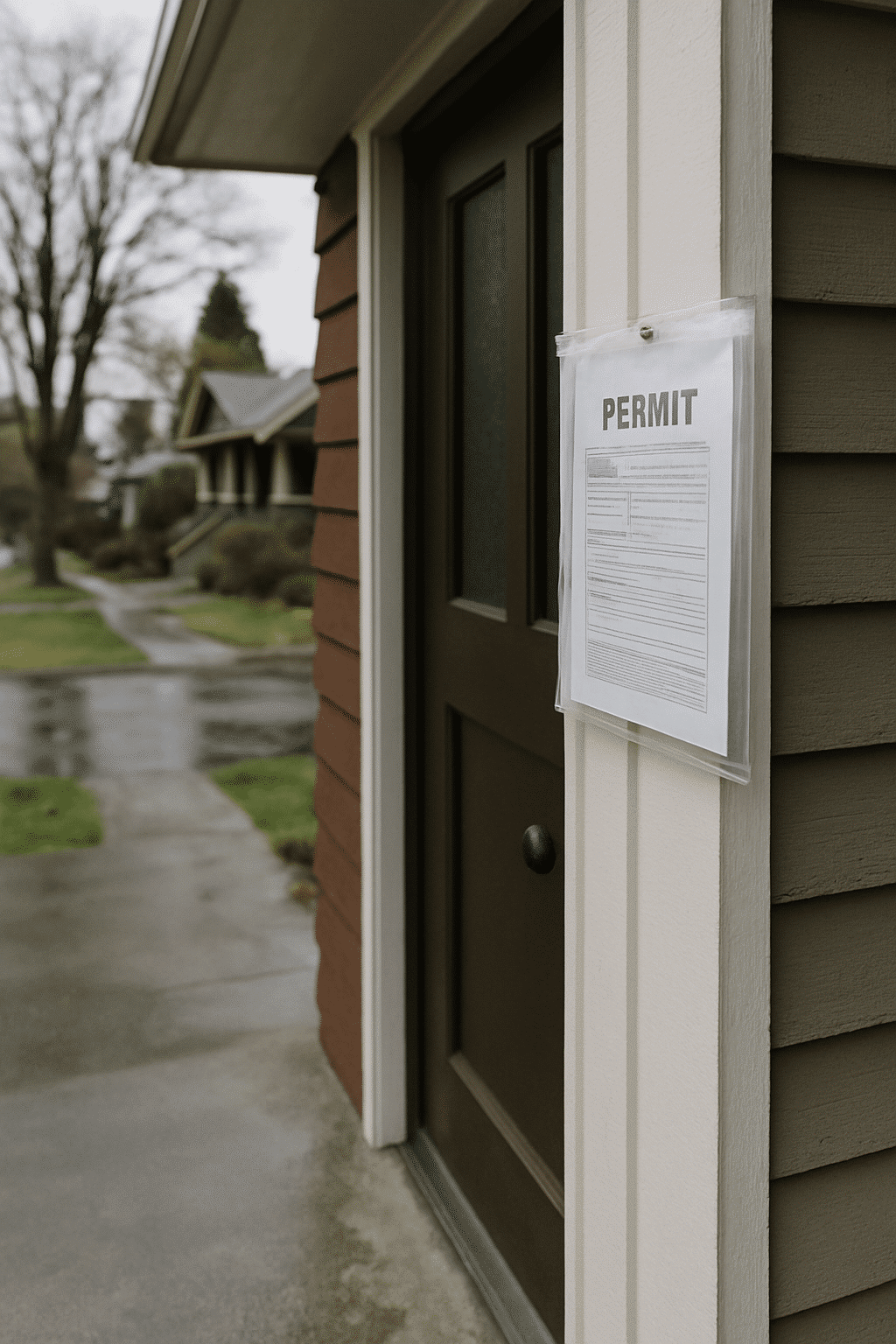
Replacing a window with a same-size unit in the same rough opening typically qualifies as over-the-counter or same-day permit approval in Seattle. Any project that changes the rough opening size, adds a new window to an existing wall, modifies structural framing, or creates a new egress window requires a full permit application and plan review before work begins.
What We Do
Cities Where We Install Windows and Doors
RT Signature Homes covers the full Greater Seattle metro for window and door installation.
We serve Seattle, Bellevue, Redmond, Kirkland, Sammamish, Woodinville, Bothell, Issaquah, Mercer Island, Renton, Lynnwood, Shoreline, Kenmore, Newcastle, Snoqualmie, Duvall, and Monroe. Permit coordination is included in every installation scope, we file with the applicable jurisdiction and manage the inspection schedule for your project.
Common Questions
Frequently Asked Questions
How much does window and door installation cost in Seattle?
Window replacement costs in Seattle typically range from $800 to $2,500 per window, installed. Door replacement runs $1,200 to $4,500 depending on the unit type and rough opening condition. WSEC-compliant products cost more upfront than standard double-pane units. Labor increases when framing repairs, header modifications, or egress rough opening enlargements are needed. RT Signature Homes provides itemized estimates before any product is ordered.
How long does a window replacement project take from first call to final inspection?
Most single-room window replacements finish in one to three days of installation work. Total project timeline, including product selection, U-factor verification, permit filing, and inspection, typically runs three to six weeks. Egress window projects requiring rough opening modifications add one to two weeks for permit review. RT Signature Homes builds the permit window into the schedule at the start.
Does every window replacement in Seattle require a permit?
Same-size replacements in the same rough opening often qualify for over-the-counter or same-day permit approval. Any project that changes opening size, adds a new window to a wall, or modifies structural framing requires full plan review. RT Signature Homes determines the permit category at the first site visit, before any scope is finalized.
What happens if the rough opening behind my old window is rotted or damaged?
Framing damage gets assessed and repaired before the new unit is set. Soft sill plates and deteriorated jack studs are replaced as part of the installation scope. Skipping this step voids most window manufacturer warranties. Every rough opening on RT Signature projects is physically inspected before any product ships.
Why does the U-factor number actually matter, can't I just pick any double-pane window?
Standard double-pane windows often carry U-factors of 0.30 to 0.35, above Seattle's permitted maximum of 0.28. A building inspector checks the NFRC label on the installed unit during framing inspection. A non-compliant product fails inspection and must be replaced. RT Signature Homes confirms the U-factor against the 2021 WSEC limit before the order is placed.
What makes RT Signature Homes' window installation different from a standard window replacement company?
RT Signature Homes manages U-factor compliance, rough opening condition, egress sizing, flashing sequence, and permit coordination as one integrated scope. Most window replacement companies install the product and leave the code compliance to the homeowner. RT Signature has handled permitted window and door installations across the Seattle metro since 2015, every project is documented from product spec through final inspection sign-off.