
Build a Permitted ADU on Your Seattle Lot
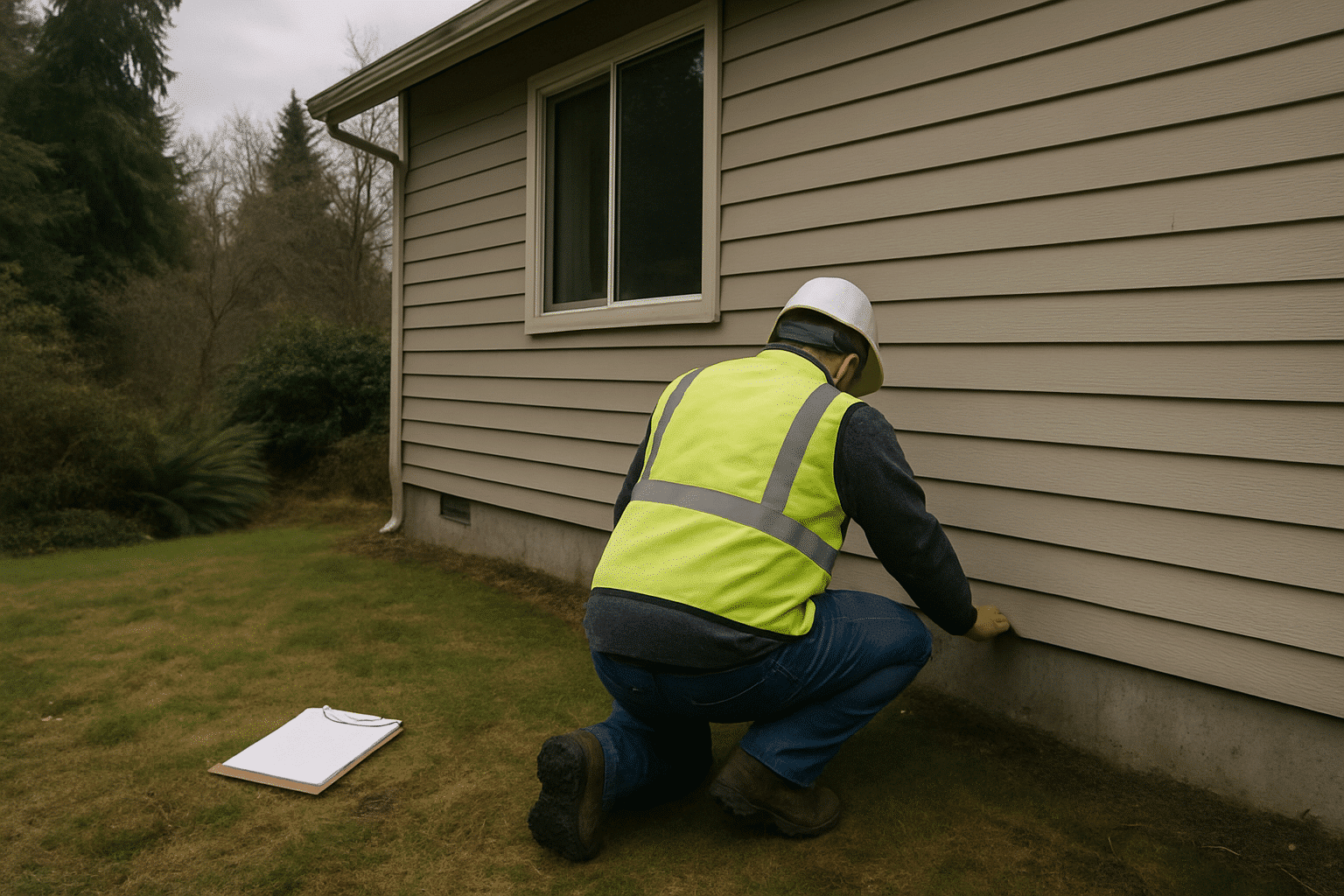
Site constraints checked before design begins. Setbacks, lot coverage, and utility connections are confirmed first, so the plan reflects what your lot can actually support.
What We Build
Accessory Dwelling Units for Seattle Lots
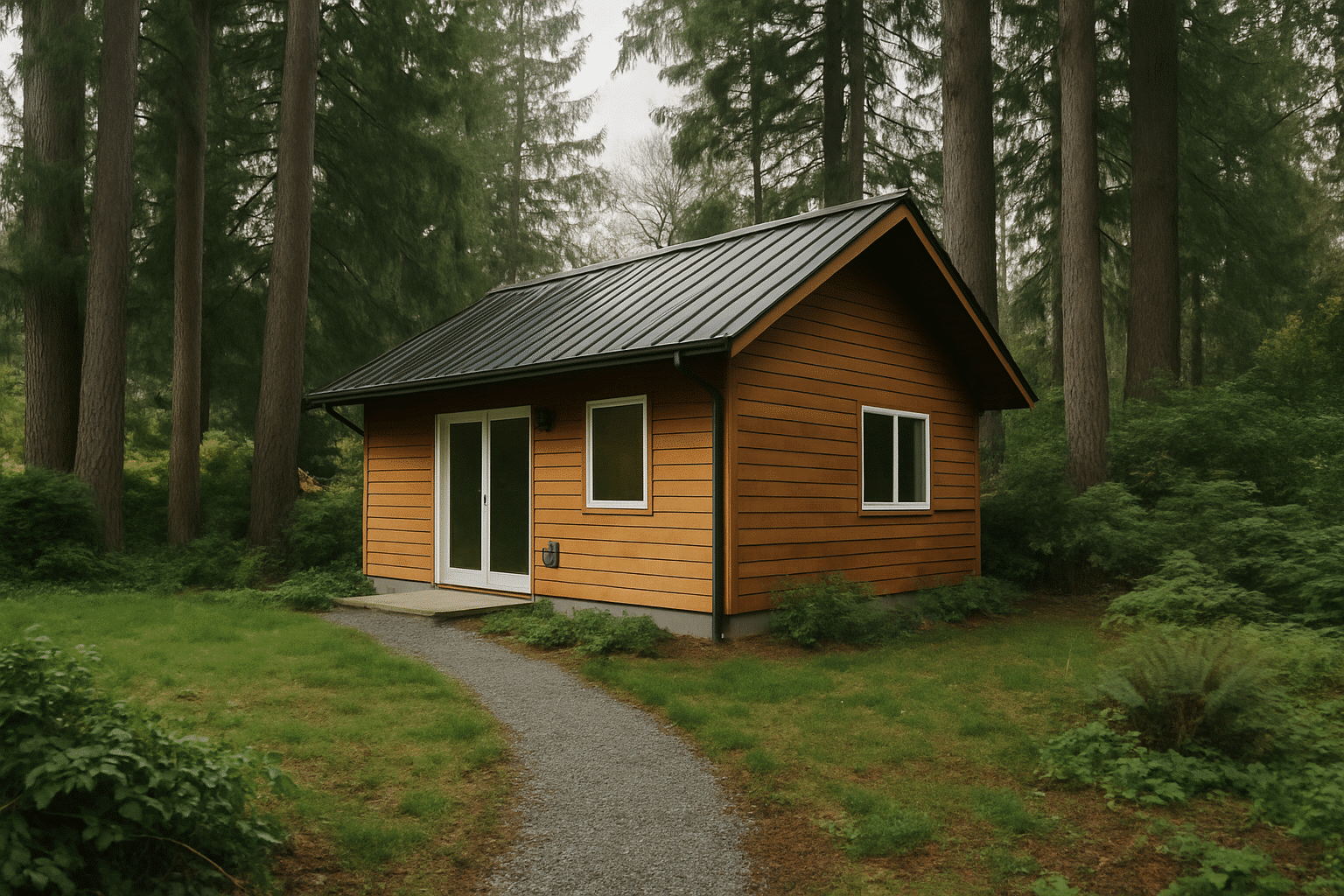
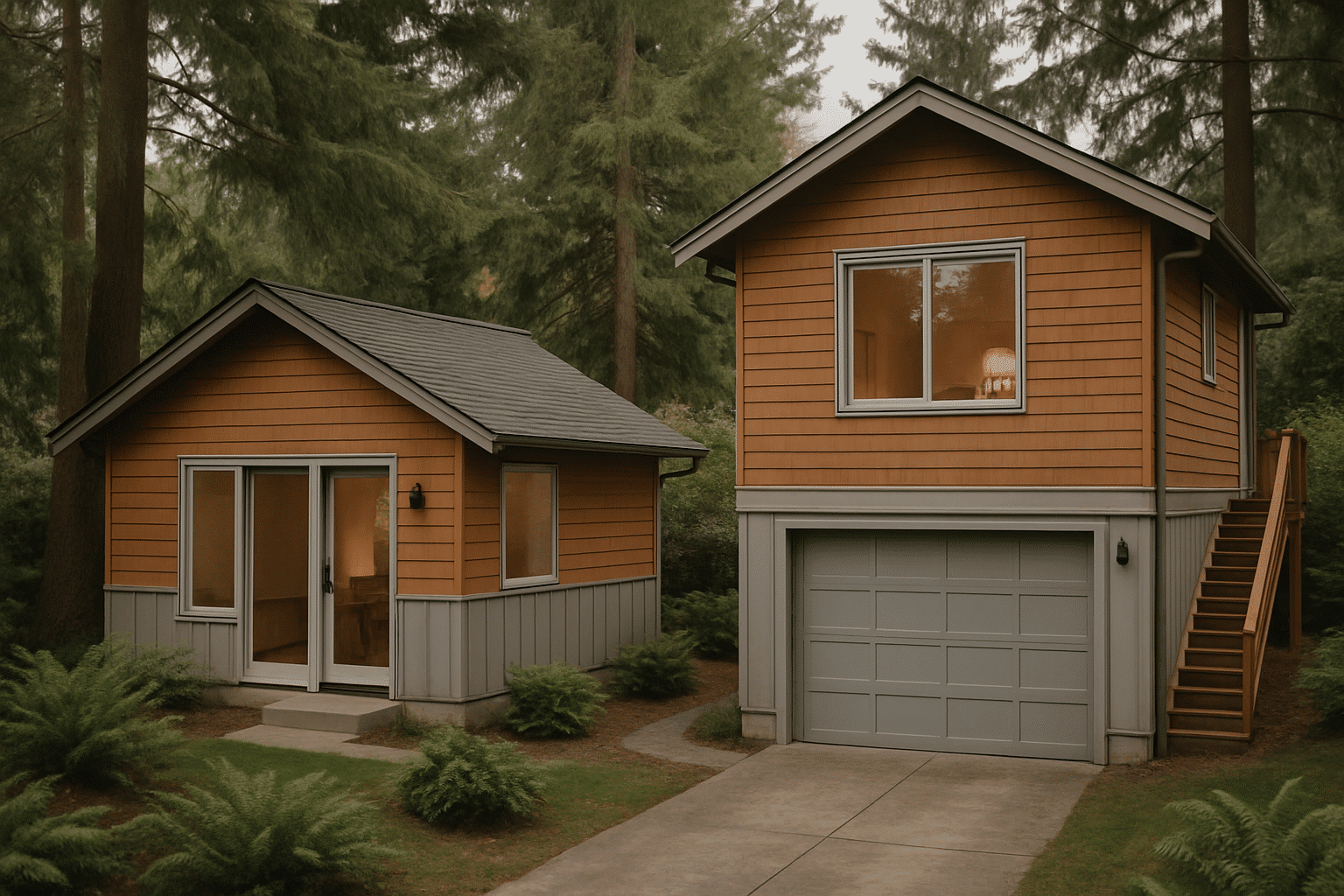
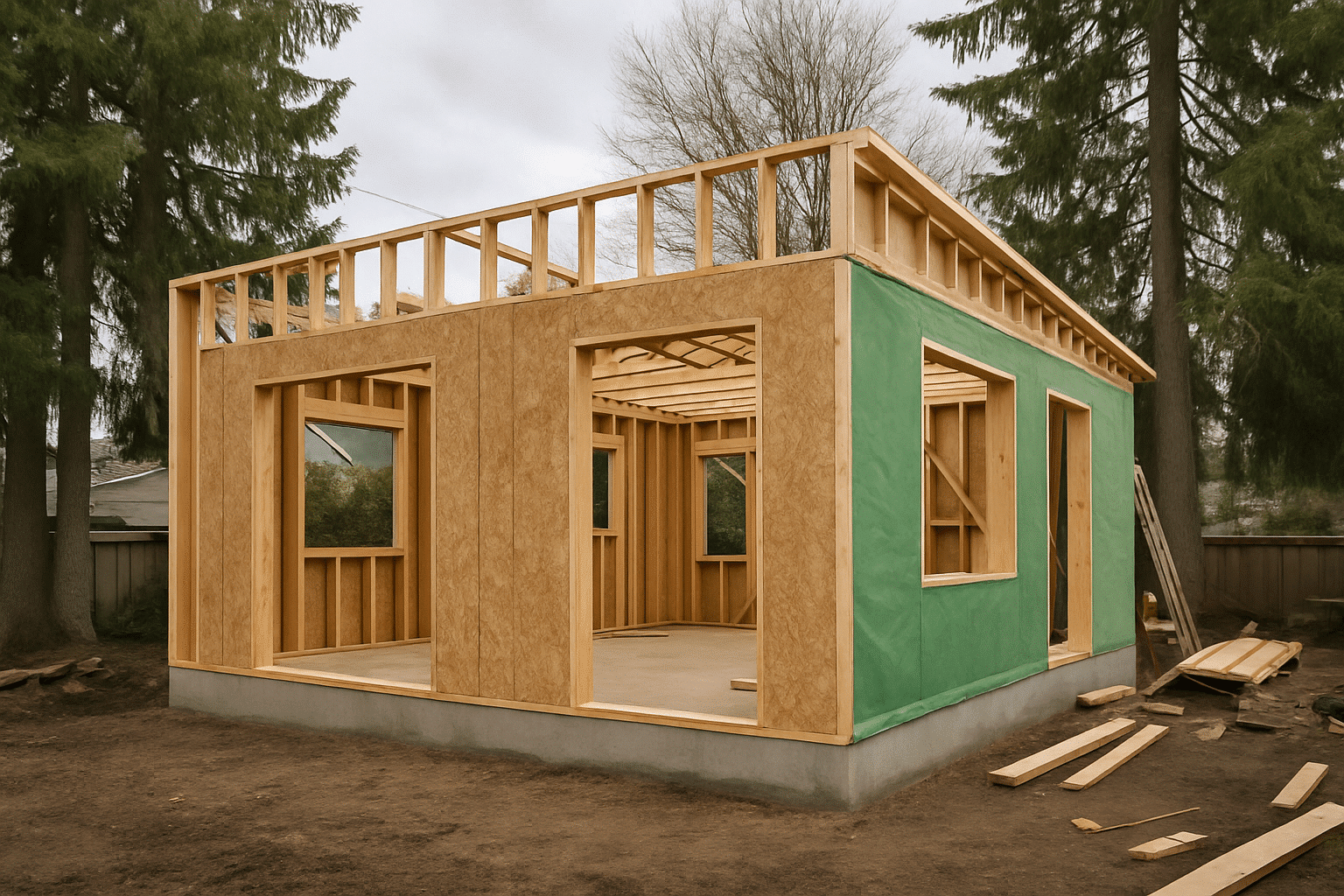
RT Signature Homes builds new accessory dwelling units on existing residential lots across Seattle: both Detached ADUs (DADUs), fully separate structures that share no walls with the primary home, and Attached ADUs (AADUs), which connect to or sit within the existing home, including options to convert an existing garage into living space. Both types require permits through the Seattle Department of Construction and Inspections (DCI).
Every ADU project starts with what the lot can actually support, not a floor plan pulled from a website. The 2023 Seattle ADU Ordinance removed owner-occupancy requirements and increased allowable sizes, so more homeowners qualify today than three years ago. Review Seattle's ADU permit requirements or our guide to Seattle zoning setbacks and permit requirements.
Local Experience
Building ADUs on Seattle Lots Since 2015
Seattle lots present constraints most homeowners can't see from a property listing. We've been evaluating ADU sites across the city since 2015, and our Redmond office sits within 12 miles of most Seattle project sites, so we run site evaluations without the scheduling delays that push start dates back by weeks.
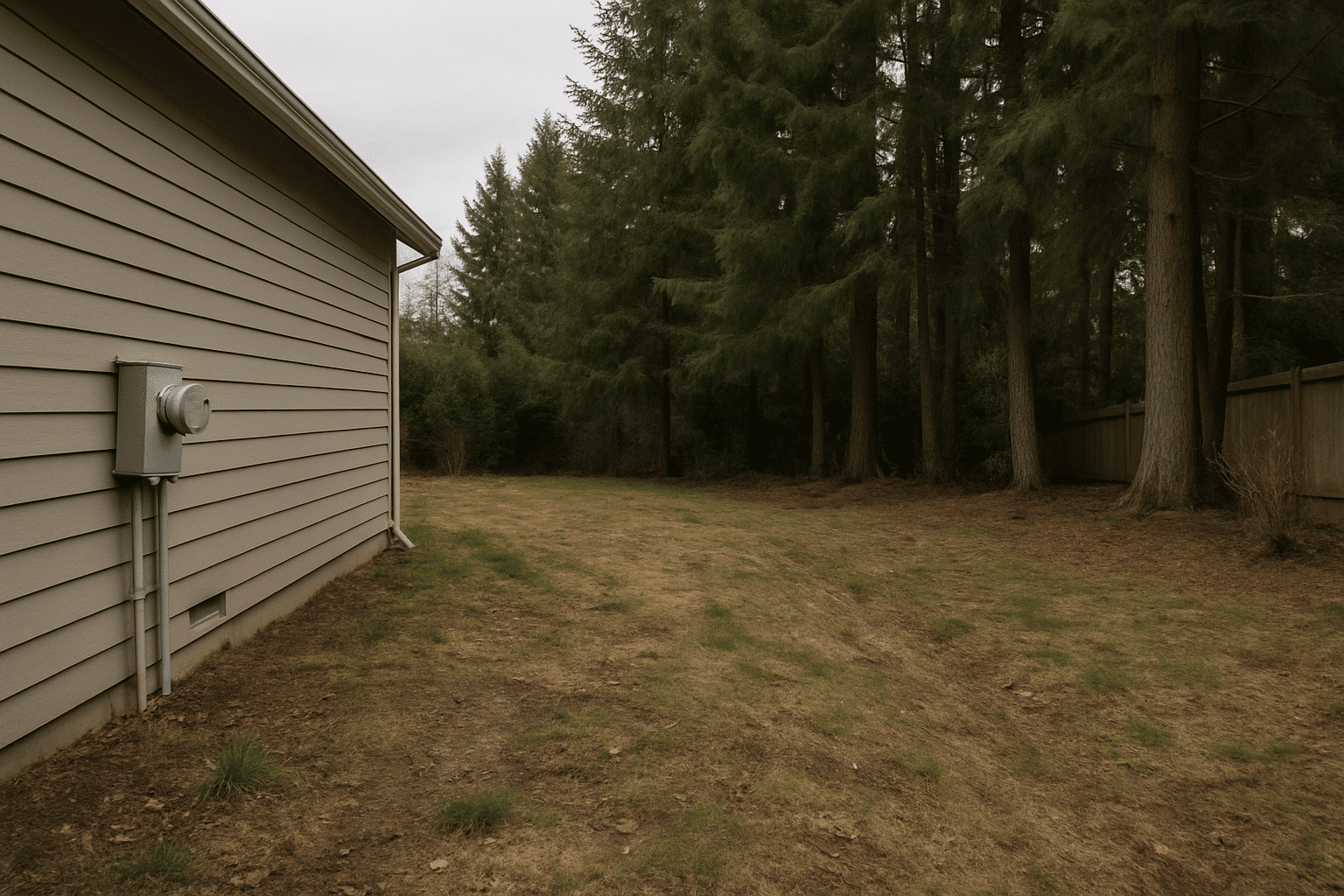
The physical reality of a yard often looks nothing like the zoning map. Mature trees root into the buildable footprint. Existing outbuildings eat into lot coverage. Gentle-looking slopes require engineered foundations. A neighbor's fence may sit six inches inside the property line. We've seen all of it, and we check all of it before any design work begins.

From the Owner
What We Find Before Design Begins
The lots that surprise homeowners most are often the ones that look the most straightforward.
A family in Ravenna contacted us about a DADU behind their 1940s craftsman. An online tool had sketched a clean 600-square-foot unit at the rear of the lot. When I walked the site, a mature red alder sat almost exactly on the proposed footprint. Seattle's tree protection code moved the buildable area six feet toward the house and forced a layout change.
The second issue was the utility lateral. The main sewer ran along the alley, so connecting the DADU required a run of nearly 90 feet, a real line item, not a footnote. Neither condition was in the sketch. We confirmed both on the first visit, and the homeowner got an accurate scope before spending a dollar on drawings that would have needed revision. That's the point of walking the lot before drawing a line.
Before Design Begins
Setbacks, Coverage & Utility Points, Confirmed First
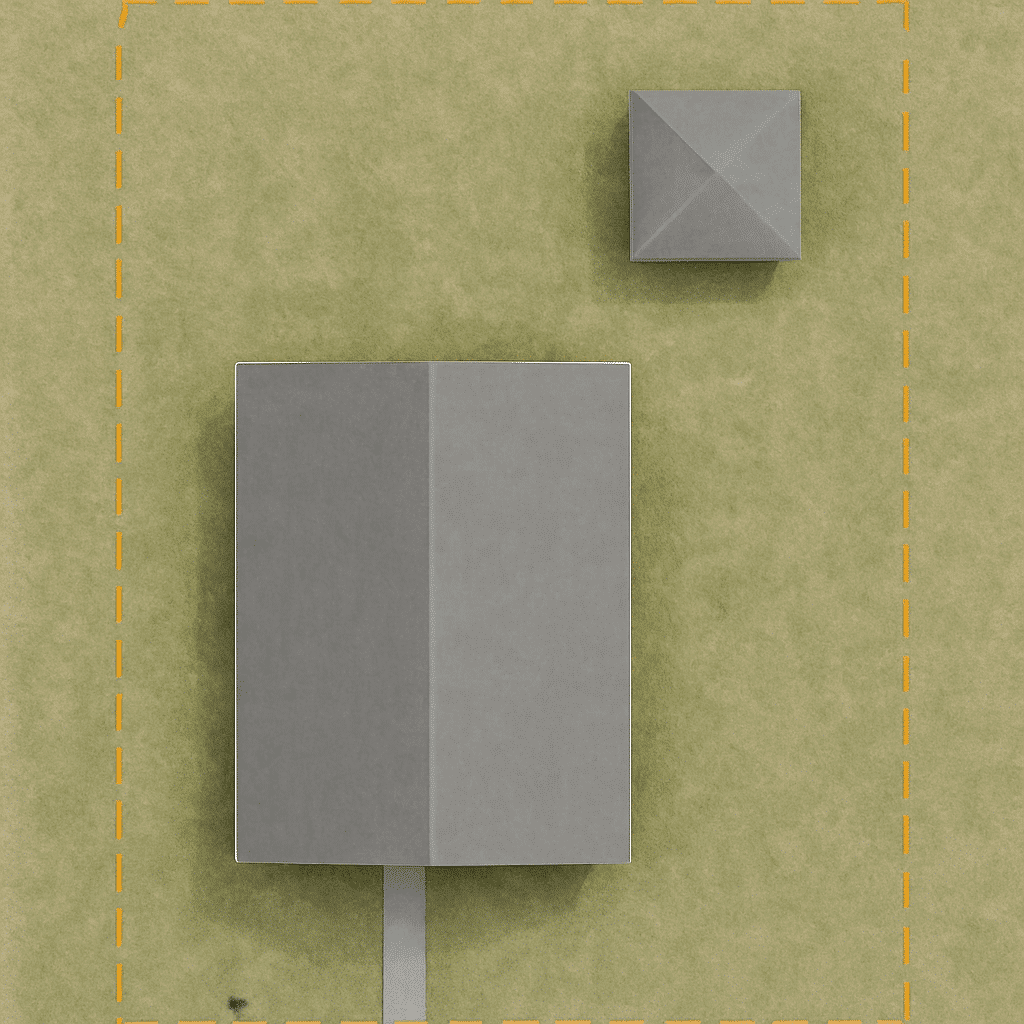
Lot coverage decides whether a DADU is physically possible on a parcel, the percentage of the lot that all structures combined may cover. If the home, garage, and sheds already use most of it, there may be little room left, regardless of how the yard looks from the back door. Our Seattle ADU cost guide breaks down real budgets before you commit to a scope.
Setbacks are the second constraint, the minimum distance from property lines. In Seattle residential zones a DADU typically stays at least five feet from rear and side lines; corner lots, alley-adjacent parcels, and critical areas differ. We confirm both numbers for your address at the site evaluation, the first time we're on your property, before any design is commissioned.
Our Method
How We Evaluate a Site for ADU Feasibility
A five-point site check runs on every ADU inquiry before any scope or budget talk. These aren't design decisions, they're zoning and site facts, confirmed first.
- 1
Lot coverage remaining
Total footprint vs. Seattle's zoning limit for your parcel's zone.
- 2
Setback clearance
Distance to all property lines, checked against current Seattle Municipal Code.
- 3
Tree protection impact
Protected trees and root-zone buffers in and around the proposed footprint.
- 4
Utility lateral feasibility
Distance to water, sewer, and electrical, with a rough cost estimate for each.
- 5
Slope & drainage
Grade assessment to determine slab-on-grade vs. engineered foundation.
The Pathway
From Permit Application to Final Occupancy
We manage the full permit pathway with Seattle DCI directly, no outside expediter, drawing on design-build experience since 2015.
- 1
Site evaluation & feasibility
Zoning parameters and site conditions confirmed before any design fee is paid.
- 2
Design & permit drawings
Drawings that reflect the site, submitted to Seattle DCI; we handle plan-check responses.
- 3
Inspections & final occupancy
We coordinate every DCI inspection; the job closes only at the occupancy certificate.
Typical residential ADU permit review in Seattle runs two to eight weeks; we build that window into the schedule from the start.
Where We Build
Seattle Neighborhoods & Surrounding Cities
We serve neighborhoods throughout Seattle, from Ballard and Wallingford in the north to Beacon Hill and Columbia City in the south, plus 16 surrounding cities across the Eastside and beyond.

Common Questions
ADU Construction, Seattle FAQ
How long does a new ADU build take in Seattle?
Most Seattle ADU projects take 6-12 months from the first site evaluation to final occupancy. Permit review at Seattle DCI typically runs 2-8 weeks, and construction follows after issuance. Slope, utility lateral distance, and tree protection are the main variables that extend timelines.
What does a detached ADU cost in Seattle?
Detached ADUs in Seattle typically range from $200,000 to $400,000+. Size, site conditions, utility lateral length, and finish level are the biggest cost drivers. Smaller DADUs carry higher per-square-foot costs because fixed expenses spread across fewer square feet.
DADU vs. AADU, which fits my lot?
A DADU is a fully separate structure with no shared walls; an AADU connects to or sits within the existing home. Which fits depends on setback clearance, remaining lot coverage, and utility locations, confirmed at the site evaluation.
Do I need a separate permit expediter?
No. We manage the full Seattle DCI permit pathway in-house, drawing submission, plan-check responses, revisions, and inspection scheduling. The same project manager who walked your lot handles every step through final occupancy.
What if my lot doesn't meet setback or coverage rules?
We tell you clearly before any design money is spent. Issues are identified at the site evaluation, not mid-permit review. If your lot won't support the ADU you planned, we explain why and what smaller configurations, if any, are feasible.
Does the 2023 Seattle ADU ordinance affect me?
It eliminated owner-occupancy requirements and increased allowable ADU size on qualifying lots, so many previously-ineligible homeowners now qualify. Whether it applies to your parcel depends on zone classification and remaining coverage, both confirmed free at the evaluation.