
In-Ground Pools Built Through Seattle's Multi-Agency Permit Process
Building permit, King County Health review, and WAC 51-51 barrier compliance coordinated as one managed process.
What We Do
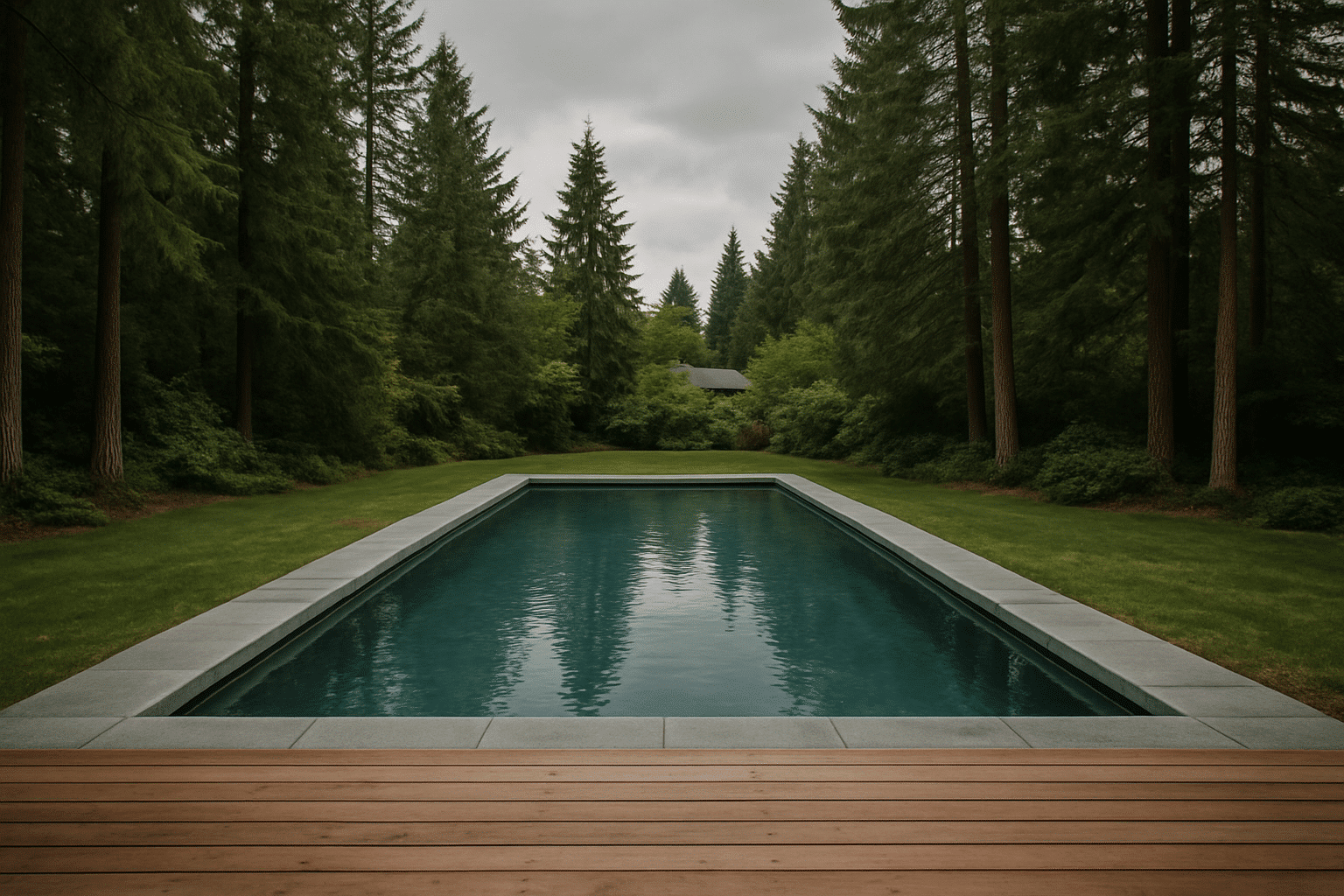
Pool Construction in Seattle Is Worth It, With the Right Expectations
Yes, building a pool in Seattle is worth it, if the heating system is right and the permitting process is handled correctly from day one.
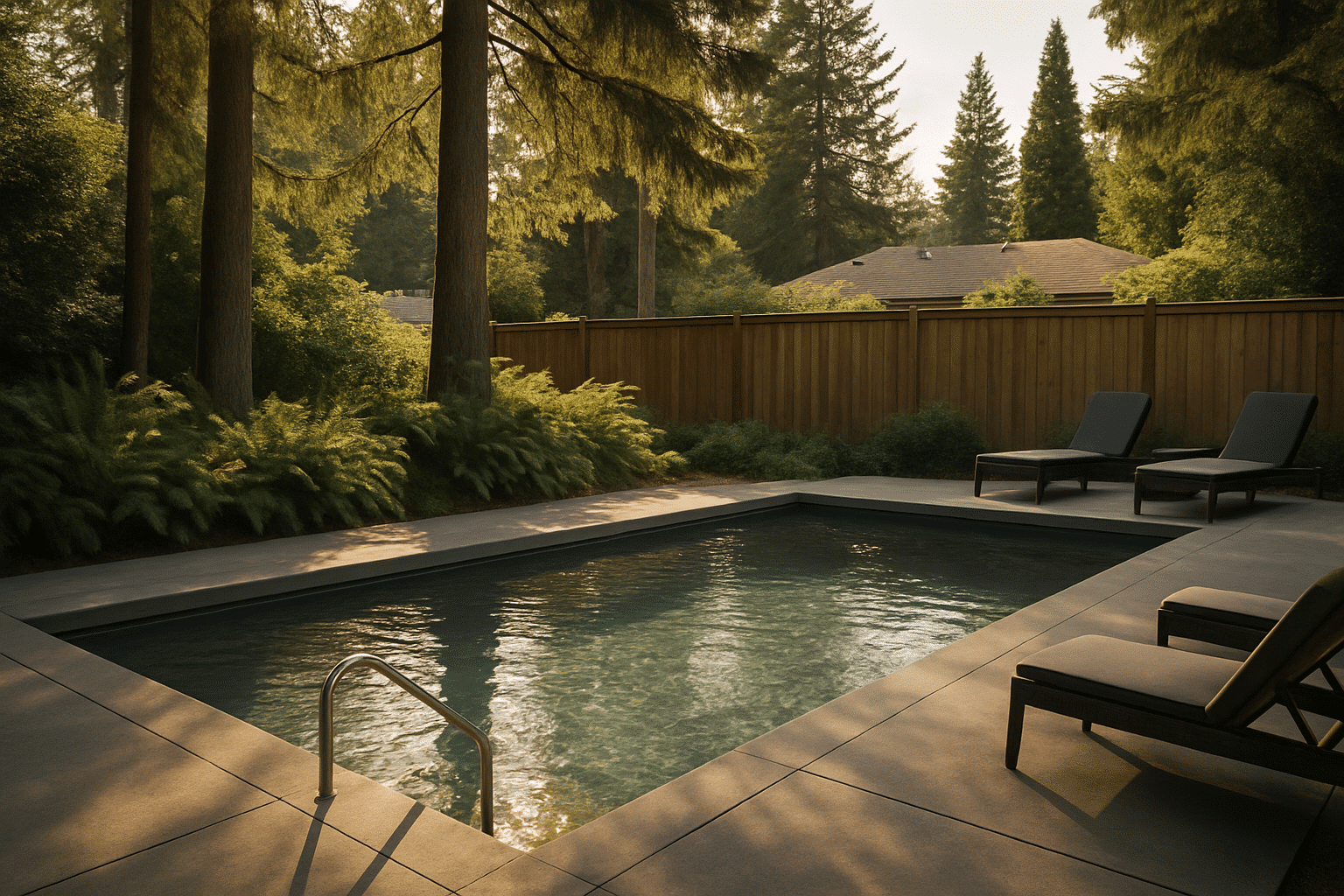
The honest answer to "is it worth building a pool in Seattle?" is yes. Summer water temperatures in unheated Seattle pools reach only 60-65°F. That's cold. With a proper heating system, your pool reaches comfortable swimming temperatures and extends your usable season from a few weeks to most of the summer.
The permitting reality is different from most home projects. Pool construction in Seattle involves the building department, the King County Health Department, and barrier code compliance under WAC 51-51, three separate review processes before excavation begins. RT Signature Homes design-build experience since 2015 includes pool construction across the Seattle metro, coordinating the building permit, King County Health Department review, and barrier compliance documentation so the homeowner has one point of contact rather than three separate application tracks.
What We Do
Soil and Site Assessment Come First on Every Seattle Pool Project
Seattle's clay-heavy soils require a geotechnical assessment before any pool excavation is scheduled.
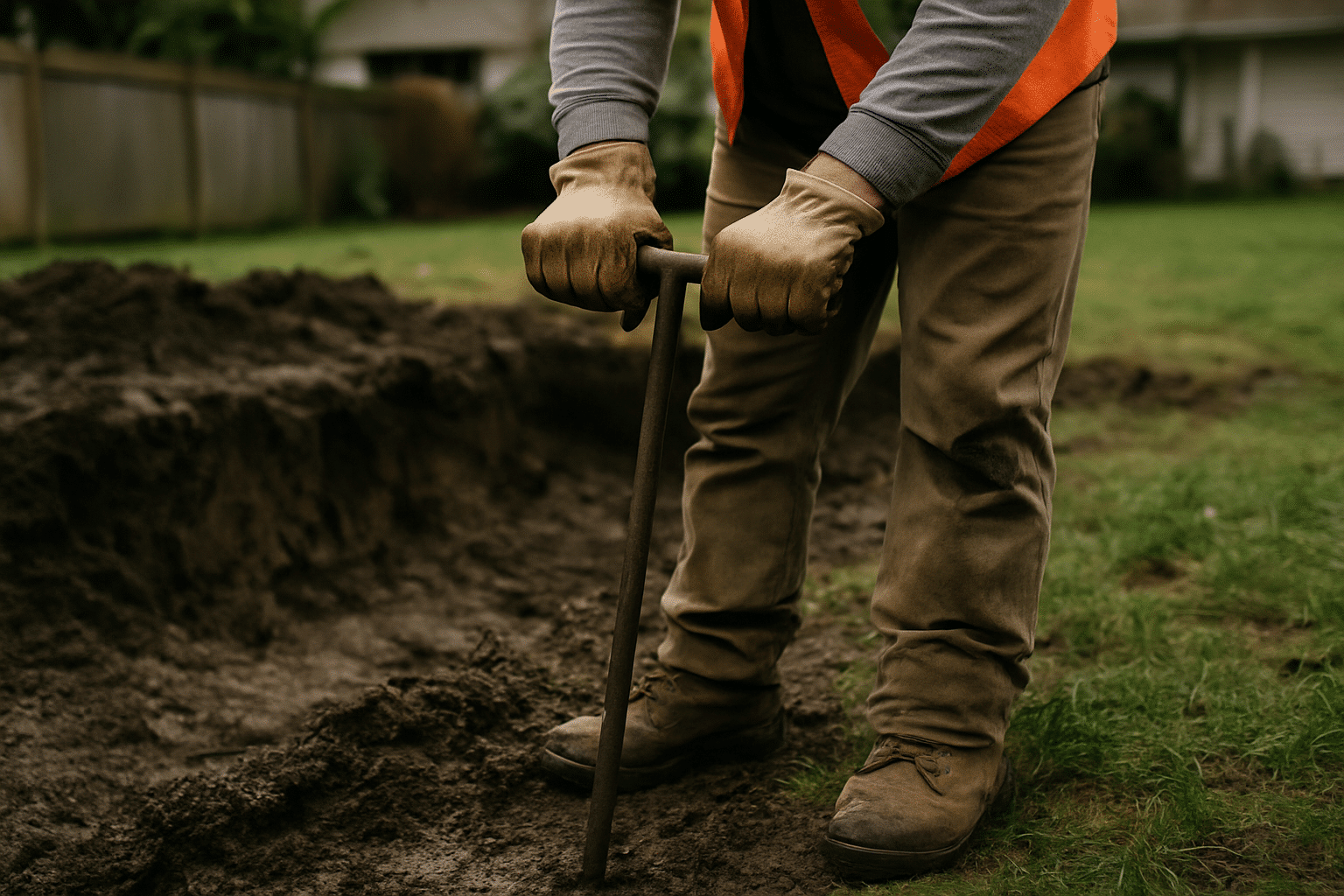
Seattle sits on a mix of glacial till, clay-heavy deposits, and fill material, depending on the neighborhood. None of these are dealbreakers for a pool. But they all require site-specific confirmation before excavation equipment is scheduled.
A soil percolation assessment measures the soil's water absorption rate. That matters during construction, when dewatering is active, and after installation, when groundwater pressure can affect the pool shell. On lots near mapped geologically hazardous areas under Seattle SMC 25.09, which covers much of Capitol Hill, Queen Anne, and Beacon Hill, a full geotechnical report is required before a permit is issued. For properties with significant grade changes, sloped lot permitting and engineering considerations apply alongside the standard pool permit requirements.
Here's what matters on Seattle lots: the soil report isn't a formality. On clay-heavy sites, it directly determines pool shell selection and waterproofing approach, and how Seattle's climate affects material and design choices factors into both shell selection and long-term waterproofing performance. The site assessment is completed before any design work begins, so the pool scope reflects your actual lot conditions.
What We Do
What the Permit Process Actually Looks Like in Practice
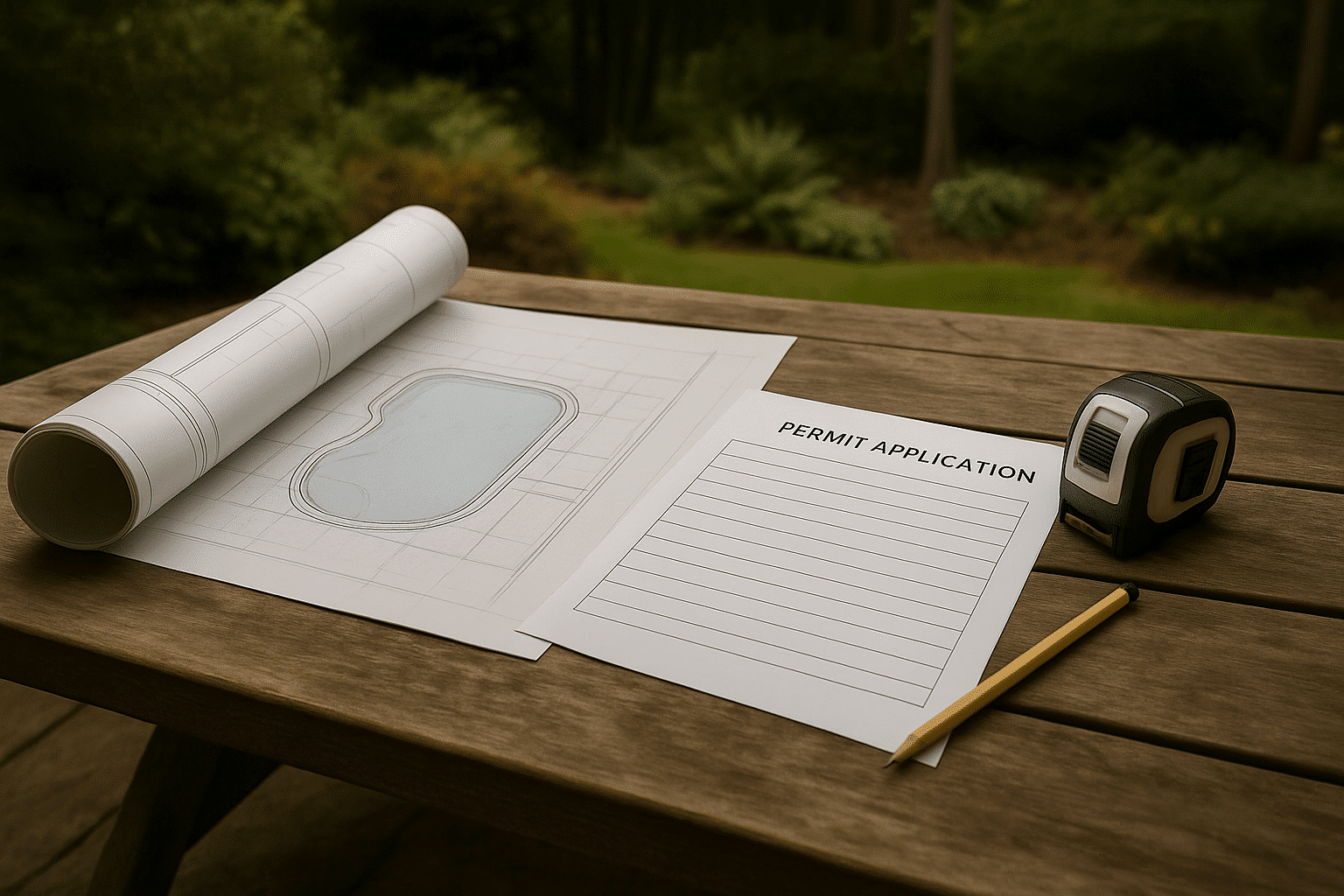
Pool construction in Seattle involves three separate agency reviews, not one building permit application.
Most home projects require a single building permit from Seattle DCI. Pool construction requires more. The building department handles the structural permit covering excavation, shell installation, and barrier fencing. The King County Health Department issues a separate review covering water recirculation system design, filtration capacity, chemical treatment equipment, and drain cover anti-entrapment compliance under WAC 246-260. Barrier fencing compliance under WAC 51-51, Washington's residential barrier code, must also be documented, confirming gate latch height, self-closing hardware, and fence opening size. For a detailed overview of how Seattle's permit process works for homeowners, the three-agency review sequence for pools follows the same coordinated filing principles that apply to other major residential projects.
RT Signature Homes manages all three tracks as one coordinated process. That means one intake, one timeline, one project manager tracking all three agency reviews. Filing in the right sequence keeps each review from stalling the next.
A realistic timeline from first site visit to permit issuance runs 8-14 weeks on a standard Seattle residential pool project. Construction and pool commissioning add another 10-18 weeks, depending on shell type and site conditions. A project with permits filed in fall typically reaches first swim the following summer.
What We Do
Pool Shell Material Selection for Pacific Northwest Conditions
The right pool shell for a Seattle yard depends on your soil type, groundwater depth, and long-term maintenance preference.
Three primary shell options exist for residential in-ground pools. Each performs differently in Seattle's climate and soil conditions.
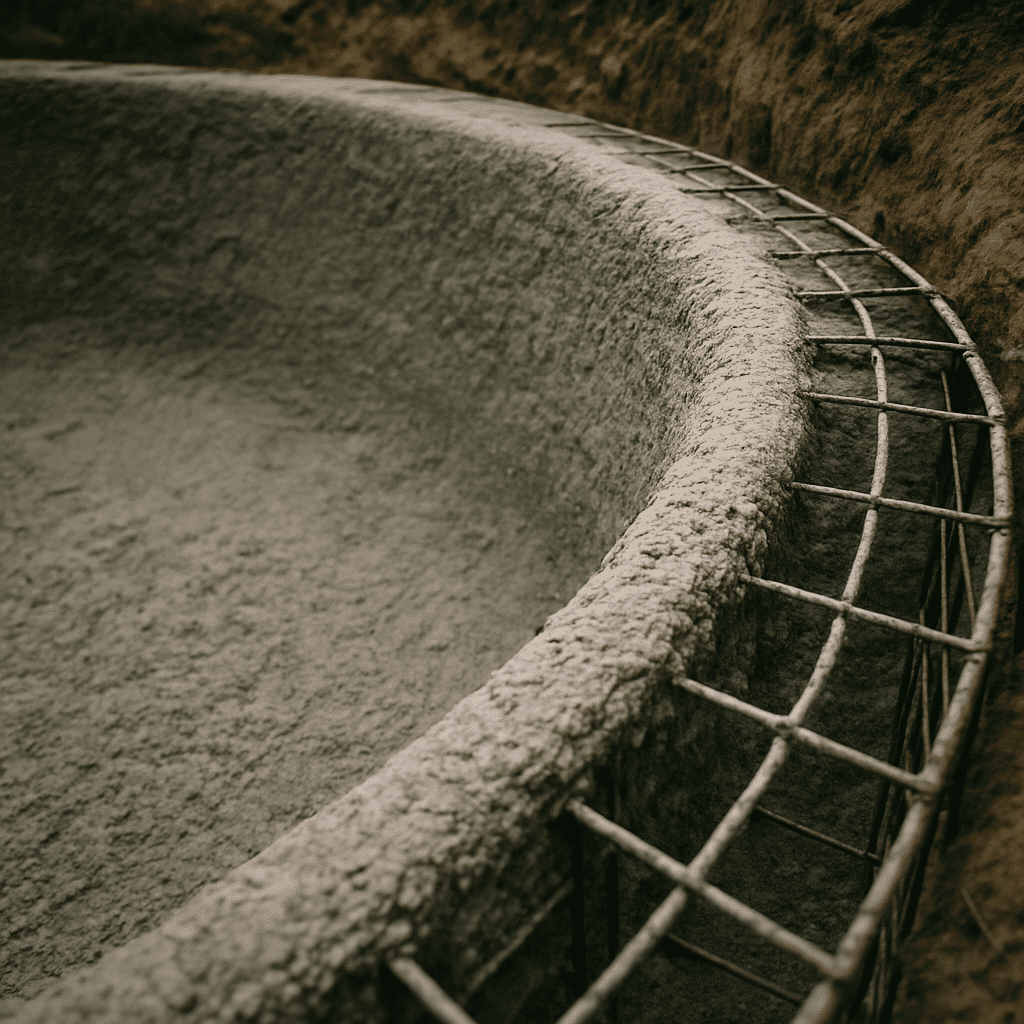
Gunite, sprayed concrete, offers the most flexibility in shape and depth. It is the most common choice for custom pool designs and handles Seattle's soil movement well. It requires resurfacing every 10-15 years and benefits from consistent chemical management in cooler water conditions.
Fiberglass, a factory-manufactured shell set into the excavation, installs faster than gunite and has the smoothest interior surface. Fiberglass shells are less porous, which matters for chemical efficiency in Seattle's rain-diluted pool chemistry environment. They come in fixed shapes and sizes, which limits design flexibility.
Vinyl liner over a steel or polymer frame is the most cost-accessible option. Liners typically need replacement every 8-12 years. In Seattle's wet climate, the wall panel framing behind the liner must be inspected carefully for moisture intrusion, a detail that matters more here than in drier markets.
What We Do
Heating System Options for Seattle's Use Season
Without a heating system, a Seattle pool averages 60-65°F in summer, below comfortable swimming temperature for most households.
Selecting the right heating system determines how long your pool is usable each year. Three options apply to Seattle residential pools, each with a different operating profile.
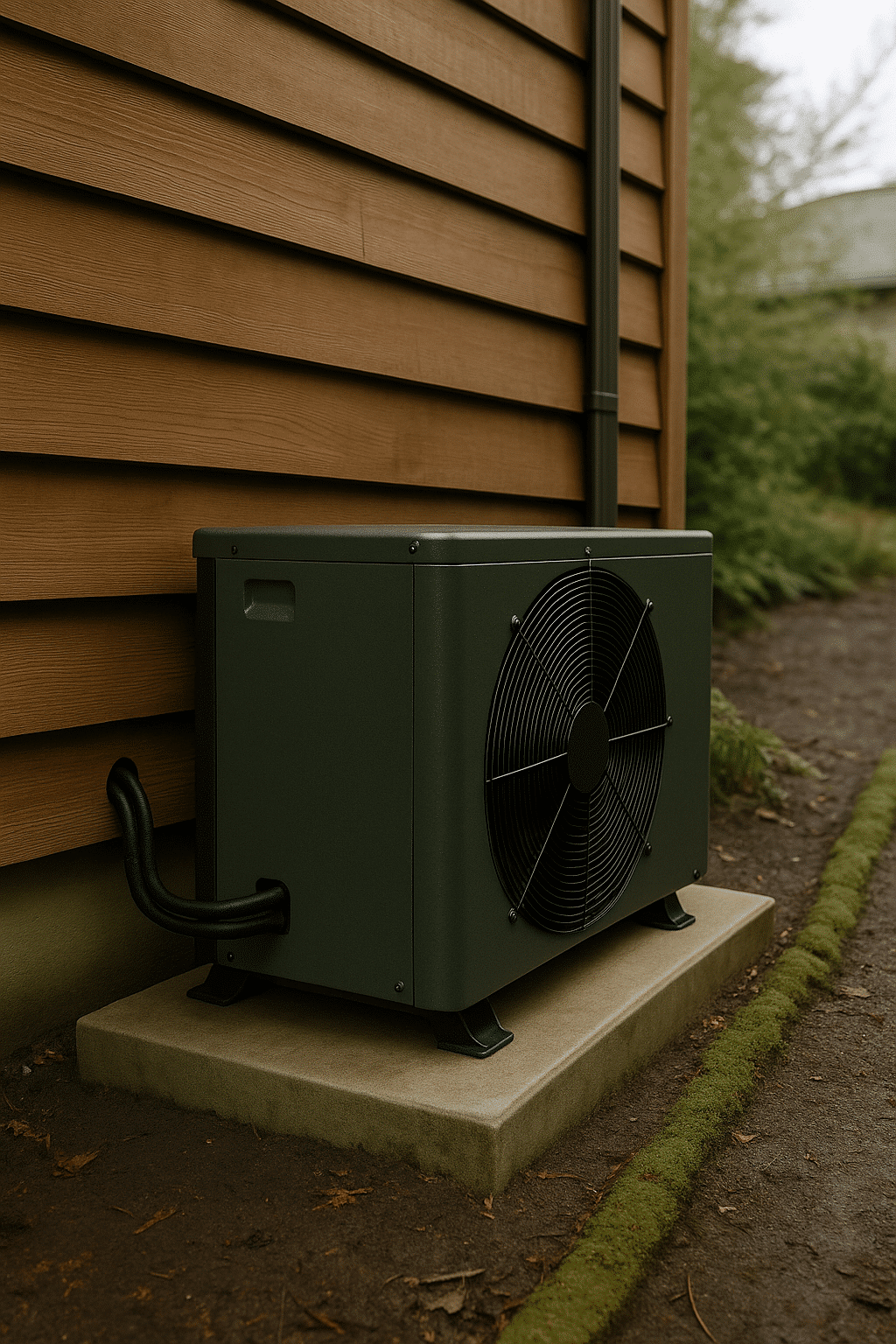
A heat pump extracts warmth from the ambient air and transfers it to the pool water. In Seattle's mild climate, where summer air temperatures regularly reach the mid-70s, heat pumps operate efficiently from May through October. Operating cost is lower than gas over a full season. Heat pumps are slower to heat a pool initially, which matters if your use pattern is intermittent rather than daily.
A gas heater heats pool water quickly regardless of ambient air temperature. It is the right choice for households that use the pool on weekends rather than daily, because it can bring water to temperature in hours rather than overnight. Operating cost is higher per hour than a heat pump, but total seasonal cost is often comparable when the pool is not run continuously.
Solar collectors use roof-mounted panels to pre-warm pool water. In Seattle's climate, solar works best as a supplement to a primary heating system rather than a standalone solution. Overcast fall and spring conditions limit output exactly when shoulder-season use would benefit most. Solar is designed as an add-on that reduces gas or heat pump runtime rather than replacing it.
Our Standards
Our Standards for Pool Construction Projects
Every pool project begins with site confirmation, not design assumptions.
RT Signature Homes builds pool projects to a defined standard before a single permit is filed:
- Soil percolation assessment completed before shell type is selected
- Geotechnical report ordered if the site triggers SMC 25.09 requirements
- All three permit tracks, building, Health Department, and barrier code, filed as a coordinated sequence
- WAC 51-51 barrier compliance documentation prepared alongside permit drawings, not as a post-construction add-on
- Pool shell material selected against actual site conditions, not default product availability
- Heating system specified against pool volume and household use pattern before equipment is ordered
- King County Health Department drain cover anti-entrapment compliance confirmed at equipment selection stage
The Process
From Site Assessment to First Swim: Our Project Sequence
Site Diagnostics
Every pool project starts with a site walk. We confirm lot dimensions, setback distances from property lines and structures, and the location of existing utility laterals. Soil conditions are assessed visually, and we determine whether a formal percolation test or full geotechnical report is needed based on the lot's mapped geology. Zoning is checked for accessory structure setback rules that apply to pool installations in your specific residential zone.
Permit Coordination and Construction
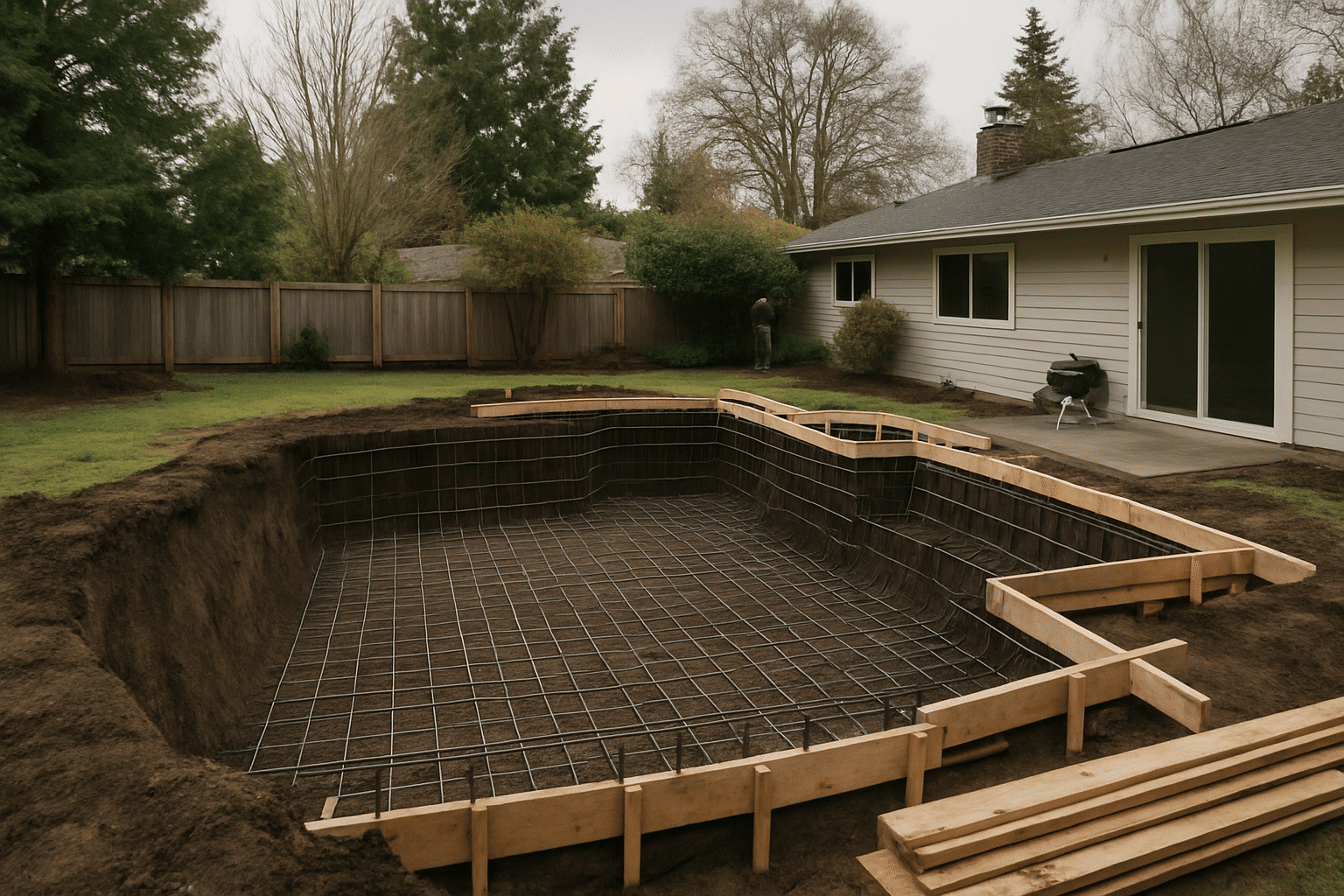
We prepare and file the building permit application, the King County Health Department pool system permit, and the WAC 51-51 barrier compliance documentation as a single managed sequence. Permit drawings include pool shell dimensions, barrier fence layout, gate hardware specification, and heating and filtration equipment. Excavation is not scheduled until all three permits are issued.
Commissioning and Final Inspections
After shell installation and mechanical rough-in, the pool system is pressure-tested before decking is poured. Filtration capacity and recirculation flow rates are confirmed against the Health Department's approved system design. Water chemistry is balanced and documented before the final inspection is scheduled. The final building inspection and Health Department sign-off are coordinated as back-to-back inspections wherever scheduling allows. Many homeowners also address poolside patio design and installation at this stage, integrating the surrounding hardscape into the final project scope before site work is closed out.
What We Do
Pool Construction Projects We Serve Across Greater Seattle
RT Signature Homes serves pool construction projects across the Seattle metro from its Redmond office on 148th Ave NE. Sammamish, Woodinville, and Issaquah, where larger residential lots and lower-density zoning make in-ground pool installations most frequently feasible under current setback and lot coverage requirements, are among the most active areas for pool project inquiries. The full service area includes Redmond, Bellevue, Kirkland, and Seattle's residential neighborhoods across King County.
Common Questions
Frequently Asked Questions
How much does in-ground pool construction cost in the Seattle area?
Pool construction in Seattle typically ranges from $150,000 to $400,000+, depending on shell material, site conditions, and heating system. Clay-heavy soils and geotechnical requirements add cost that flat, sandy sites don't carry. RT Signature Homes confirms soil and permit requirements before any cost estimate is produced, so the number you receive reflects your actual lot, not a generic range.
How long does the full pool construction process take from first call to first swim?
Expect 18-32 weeks total from initial site assessment to pool commissioning. Permit coordination across three agencies, building department, King County Health, and WAC barrier compliance, typically runs 8-14 weeks before excavation begins. Construction and commissioning add another 10-18 weeks depending on shell type and site conditions.
Does my backyard lot actually qualify for an in-ground pool under current King County zoning?
Most Seattle-area residential lots qualify, but setback rules, lot coverage caps, and geologically hazardous area designations can limit placement or require additional engineering. RT Signature Homes checks each parcel against current zoning before any design begins, so you know your buildable options before spending money on drawings.
Why does pool construction in Seattle require three separate permit applications instead of one?
Washington State separates structural, health system, and barrier safety reviews into distinct agency tracks. The building department handles excavation and structure. King County Health reviews filtration and water treatment under WAC 246-260. Barrier fencing compliance under WAC 51-51 is documented separately. RT Signature Homes files and tracks all three as one coordinated process.
Which pool shell material performs best in Seattle's wet climate and clay soils?
Fiberglass performs well on stable sites and resists the chemical efficiency losses that cooler, rain-diluted water creates. Gunite handles soil movement better and suits custom shapes. Vinyl liner is cost-accessible but requires careful moisture management behind the wall panels, a detail that matters more in Seattle than in drier markets. Shell selection is confirmed after the soil report, not before.
What makes RT Signature Homes different from other pool contractors in the area?
RT Signature Homes coordinates the building permit, King County Health review, and WAC 51-51 barrier compliance as a single managed process, one contact, one timeline, one intake. Most contractors treat these as the homeowner's responsibility to track separately. Site soil assessment and geotechnical review are part of the standard project scope, not add-ons discovered after the contract is signed. ##