
Home Addition vs. Moving in Seattle
Page Title: Home Addition vs. Moving in Seattle, WA, Transaction Costs, Equity Impact & Space Math
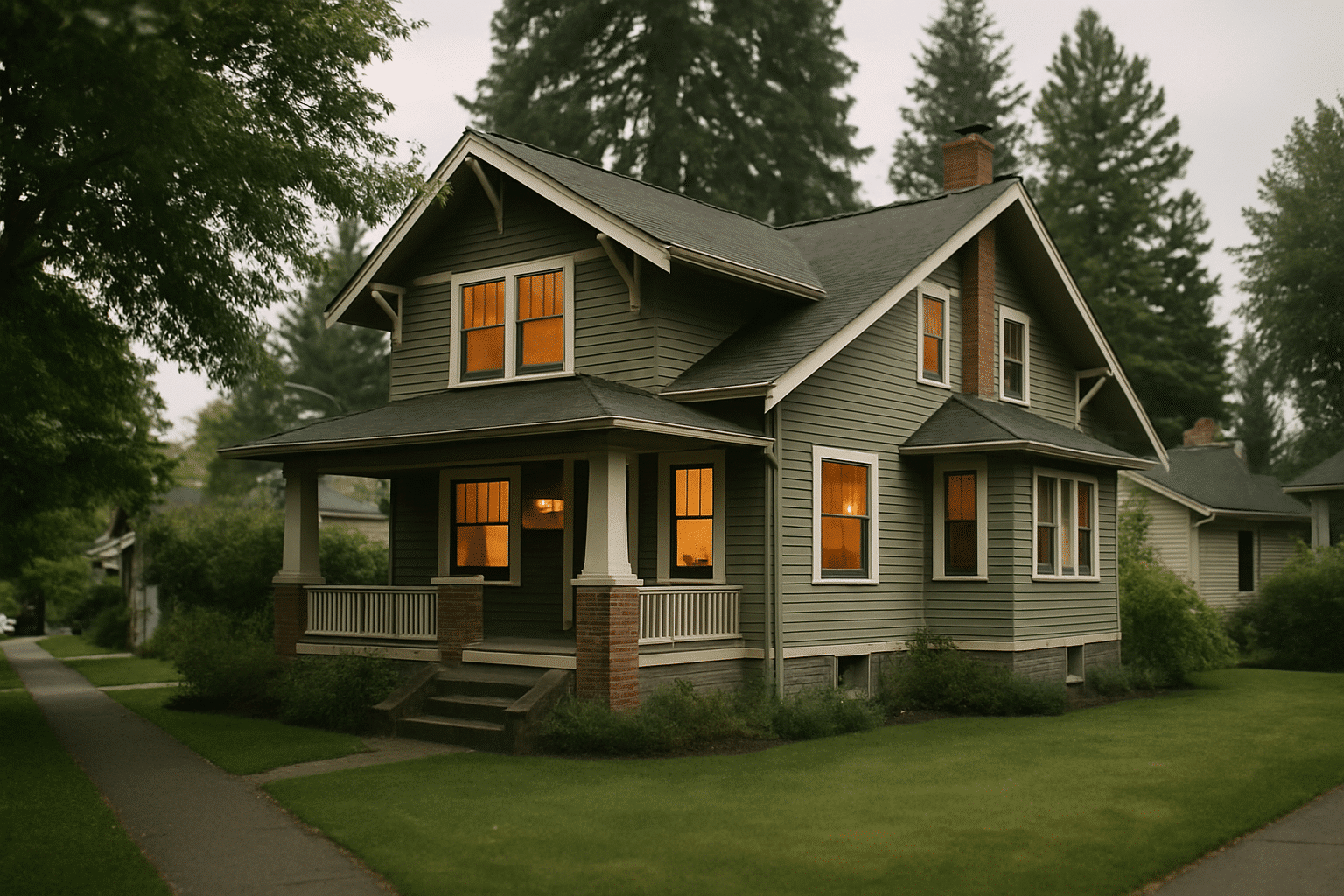
The Decision Most Seattle Families Make Before Running the Numbers
Adding space to an existing Seattle home and selling to buy a larger one are two financial paths, and most homeowners price only one of them.
You need more space. That's the starting point. The question is whether you get that space by building it where you already are, or by selling, paying the transaction costs, and purchasing something larger in the same market. Both paths cost real money. One of them usually costs more than the homeowner expects. This page is a structured financial comparison, built for King County's current market, so you can make the decision on actual numbers.

How King County's Market Makes This Comparison Different
Seattle's real estate market changes the math on both sides of this decision.
The Seattle median home price has consistently ranked among the top ten in the United States. That cuts two ways. On one side, selling your current home generates meaningful equity, but the replacement home in your neighborhood costs proportionally more too. On the other side, the same market values make permitted additions and ADUs a strong equity play. A permitted room addition in Seattle or detached ADU doesn't just add space. It adds appraised value to an asset that's already appreciating in one of the country's most active residential markets.
RT Signature Homes has scoped addition and ADU projects across all 17 cities in its service area, from Snoqualmie to Lynnwood, since 2015. Project managers have worked with homeowners on lots across King County with varying zoning constraints, lot coverage limits, and soil conditions. That direct, parcel-level experience shapes how RT Signature approaches this comparison for each specific address.

What Moving Actually Costs, A King County Scenario
The transaction cost of selling and buying in King County regularly totals 10-13% of the sale price before a moving truck is involved.
Here's how that breaks down for a realistic Seattle scenario.
Rotem Zivyon, co-owner of RT Signature Homes, walks through the numbers she sees repeatedly:
"I had a conversation with a homeowner in Kirkland who was ready to list. They had a clear number in their head, the sale price, and a rough idea of what they'd spend on a larger home in the same neighborhood. What they hadn't added up was everything in between.
On the sell side: seller's agent commission runs 2.5-3%. Buyer's agent commission adds another 2.5-3%. Washington State's real estate excise tax, the King County real estate transfer tax, is calculated as a tiered percentage of the sale price, and on a $900,000 home, that alone was nearly $17,000. Then pre-listing repairs, staging, and closing costs. By the time we added it up, the cost of exiting their current home was close to $90,000 on that sale price.
Then they needed to purchase a home at least 400 square feet larger in the same area. At current Kirkland prices, that meant spending $200,000-$250,000 more than what they sold for, assuming they could find inventory at all. The total financial gap between where they were and where they needed to be was not the sale-price difference. It was the sale-price difference plus $90,000 in transaction costs plus the moving costs.
We scoped a 400-square-foot addition to their existing home. The all-in cost, design, permits, construction, came in at less than half of what moving would have cost them. They stayed."
That's the calculation that rarely gets done in full before a homeowner decides to move.
Does a Home Addition Build Equity in Seattle?
A permitted addition in Seattle adds appraised value, but the ratio varies by addition type, and knowing that difference matters.
Here's what most homeowners don't realize about equity impact: not all addition types return the same percentage of construction cost in appraised value. A permitted room addition or primary suite expansion on an already high-value Seattle home may return 60-80 cents on the construction dollar in appraised value, meaningful, but not dollar-for-dollar. An ADU in Seattle is a different calculation entirely.
Under Seattle's 2023 ADU ordinance, which eliminated the owner-occupancy requirement and expanded eligibility across more residential zones, a permitted detached ADU construction in King County adds both appraised value and rental income potential. A DADU generating $2,000-$2,500 per month in rent doesn't just offset construction cost over time. It produces income that can offset mortgage costs while the primary homeowner stays in the neighborhood they chose.
Equity impact from an addition belongs in the same spreadsheet as transaction costs from selling. The net financial position after building is the construction cost minus the equity gain. The net financial position after moving is the transaction cost plus the replacement premium. Those two numbers, side by side, tell the story.
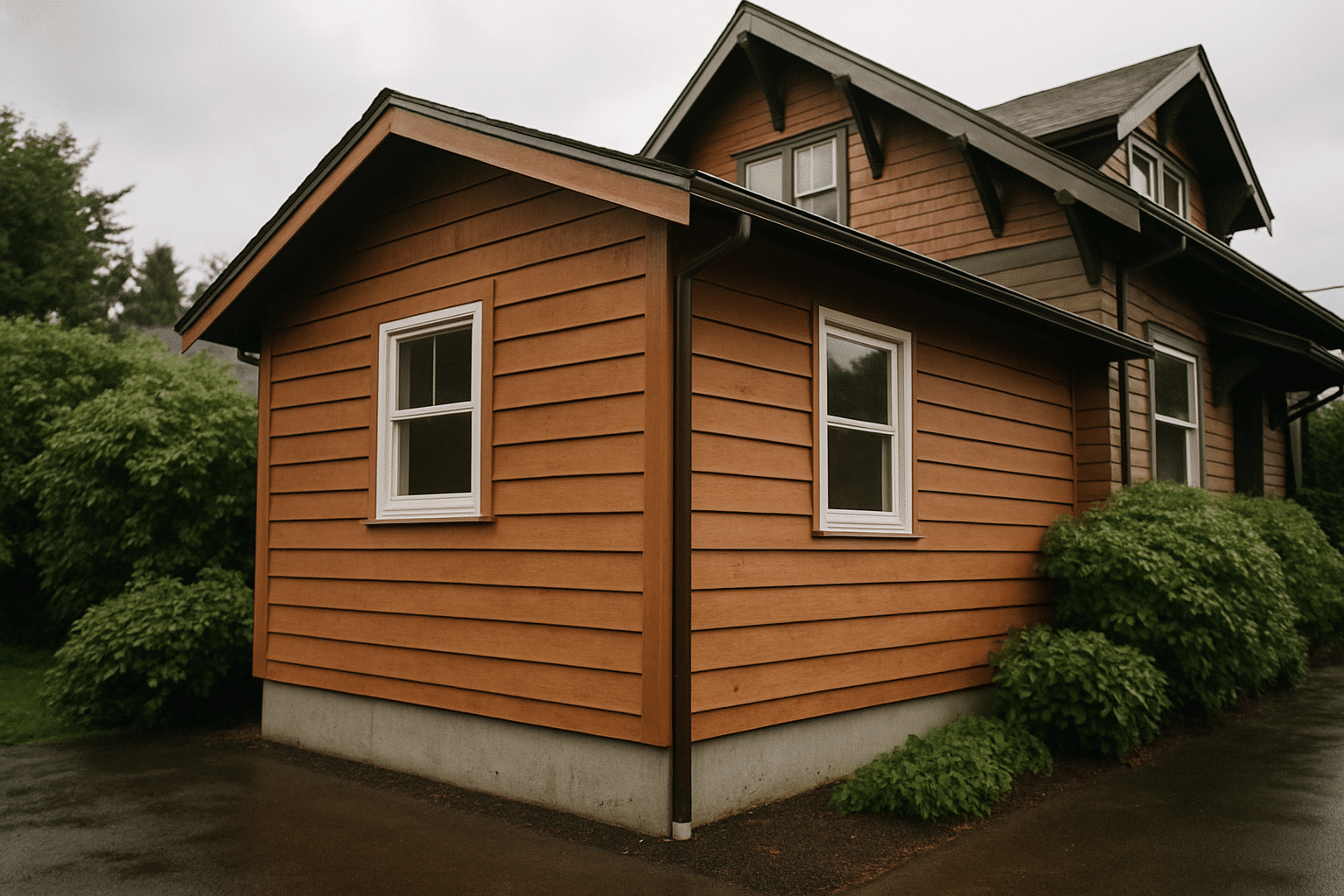
How RT Signature Homes Produces a Real Comparison
RT Signature Homes scopes every home addition project with a full cost breakdown so the financial comparison uses specific project numbers, not national averages.
Here's what that process looks like in practice:
- Site review first. Before any design cost is committed, RT Signature checks the parcel against current zoning, setbacks, lot coverage cap, height limits, and utility connection points, for that specific address.
- Feasibility before design. If the lot can support the addition under Seattle Municipal Code or the applicable city's zoning, the scope is defined. If it can't, the homeowner knows before spending money on drawings.
- Documented cost breakdown. Every addition project quote covers design fees, permit application costs, construction labor and materials, and known site-specific variables, so the number placed against the moving cost alternative is a project-specific figure, not a price-per-square-foot estimate from a national database.
- Permit timeline included. The project schedule accounts for the permit timelines for Seattle home additions at Seattle DCI or the relevant jurisdiction's building department, so the "when can we start" question is answered realistically at the outset.
- Seven in-house project managers. No outsourced coordination. The same project manager who scopes the addition manages it through final inspection.
The goal is a documented addition cost the homeowner can place directly next to the total transaction cost of moving, and make the decision on real numbers.

What Shapes Whether the Addition Fits Your Situation
Three variables determine whether adding on makes more financial sense than moving, and two of them are specific to the homeowner's lot.
1. Space math, what the lot can actually support.
Space math is the calculation of how many square feet need to be added to match the functionality of a larger replacement home. That number determines whether the addition is feasible on the lot. If the existing lot coverage is already at or near the zoning cap, an addition may not be physically possible under current zoning, and the comparison is settled before the financials are run. RT Signature checks lot coverage remaining before any other number is discussed. For homeowners budgeting for added square footage, understanding what Seattle homeowners actually pay for an ADU provides a useful baseline for the cost side of that space math.
2. Neighborhood zoning constraint, what Seattle's code allows on your parcel.
Seattle's residential zoning designations (R1 through R3) each carry different setback minimums, lot coverage caps, and height limits. A parcel in an R1 zone with significant remaining lot coverage may support a substantial addition. The same square footage request on a smaller R3 lot in Capitol Hill may not. Seattle's zoning map, not national construction averages, governs what's buildable.
3. The replacement home premium, what the move costs to complete.
In Seattle's current market, purchasing a home 400-600 square feet larger in the same neighborhood typically means a price premium of $200,000 or more, before transaction costs are added. That premium is the single largest variable in the comparison. When it's accurately calculated and placed next to a documented addition cost, the financial case for adding on becomes clear for most Seattle homeowners who have remaining lot coverage and can legally build the space they need.
Where We Build
Cities We Serve Across Greater Seattle
RT Signature Homes accepts home addition and ADU projects across 17 cities in the Greater Seattle metro.

Run the Real Numbers Before You Decide
The decision between adding on and moving in Seattle deserves a real financial comparison, not a rule of thumb.
RT Signature Homes will scope your addition against the current rules for your specific address and produce a documented cost you can place next to the true transaction cost of selling and buying in King County. Whether your project calls for a straightforward room addition or combined addition and remodeling scope projects, our team will walk you through the full financial picture before any drawings are committed. Call 206-407-6291 or email info@rtsignaturehomes.com to start that conversation. No drawings required at first contact.

Common Questions
Frequently Asked Questions
How much does a home addition cost compared to moving in King County?
A documented addition typically costs less than half the total transaction cost of selling and buying in King County. Transaction costs alone, commissions, transfer taxes, closing costs, regularly reach $80,000-$90,000 on a $900,000 Seattle home before replacement premium is added. RT Signature Homes produces a full addition cost breakdown covering design, permits, and construction so you compare real numbers, not estimates.
How long does it take to get a scoped addition cost I can compare to moving?
RT Signature Homes produces a site-specific addition cost after one site visit and a parcel zoning check. The zoning review confirms remaining lot coverage, setbacks, and height limits before any design cost is committed. Most homeowners have a documented number to compare within two to three weeks of first contact.
What if my lot doesn't have enough coverage left for the addition I need?
RT Signature Homes checks lot coverage remaining before any design work begins. If the zoning cap prevents the addition, you'll know before spending money on drawings. In that case, the financial comparison shifts, and moving may be the right answer for your specific parcel.
What makes RT Signature Homes' addition comparison different from a contractor estimate?
RT Signature Homes scopes each addition against the actual zoning rules for your address, not national averages. The cost breakdown covers design fees, permit application costs, construction, and site variables specific to your lot. That documented number is what you place directly against King County's true transaction cost.
Do I need drawings or plans before contacting RT Signature Homes about an addition?
No drawings are required at first contact. A general description of the space you need and your home's address is enough to start the conversation. RT Signature Homes handles design as part of the project scope, the same team that scopes the addition builds it.
Does a permitted addition in Seattle actually increase my home's appraised value?
Yes, a permitted addition adds appraised value, though the return varies by addition type. Room additions and primary suite expansions typically return 60-80 cents per construction dollar in appraised value. A detached ADU in Seattle adds both equity and rental income potential, making it a stronger financial case for most homeowners who have remaining lot coverage.