
Drywall Patches, Door Rehangs, and Trim Repairs Done Without a Remodel Contract
Small-scope repairs accepted as standalone projects, no minimum size, no upsell to a larger scope you didn't ask for.

What We Do
What RT Signature Homes Covers Under Minor Interior Repairs
Minor interior repairs are small, targeted fixes, not a gateway to a larger project.
Most Seattle homeowners carry a mental list. A drywall hole that never got patched after the TV mount moved. A door that drags every time someone pulls it shut. A baseboard section that got gouged during a furniture delivery and was never replaced. None of these problems are urgent enough to trigger a remodel. But they add up, and a home that holds a running list of small unfinished things doesn't feel finished, even when everything else is in good shape.
RT Signature Homes accepts minor interior repair scopes as standalone projects. The repairs we handle include:
- Drywall patch repair, nail holes, gouges, and larger openings, with taping, mudding, and texture matching, part of our full drywall installation and repair services
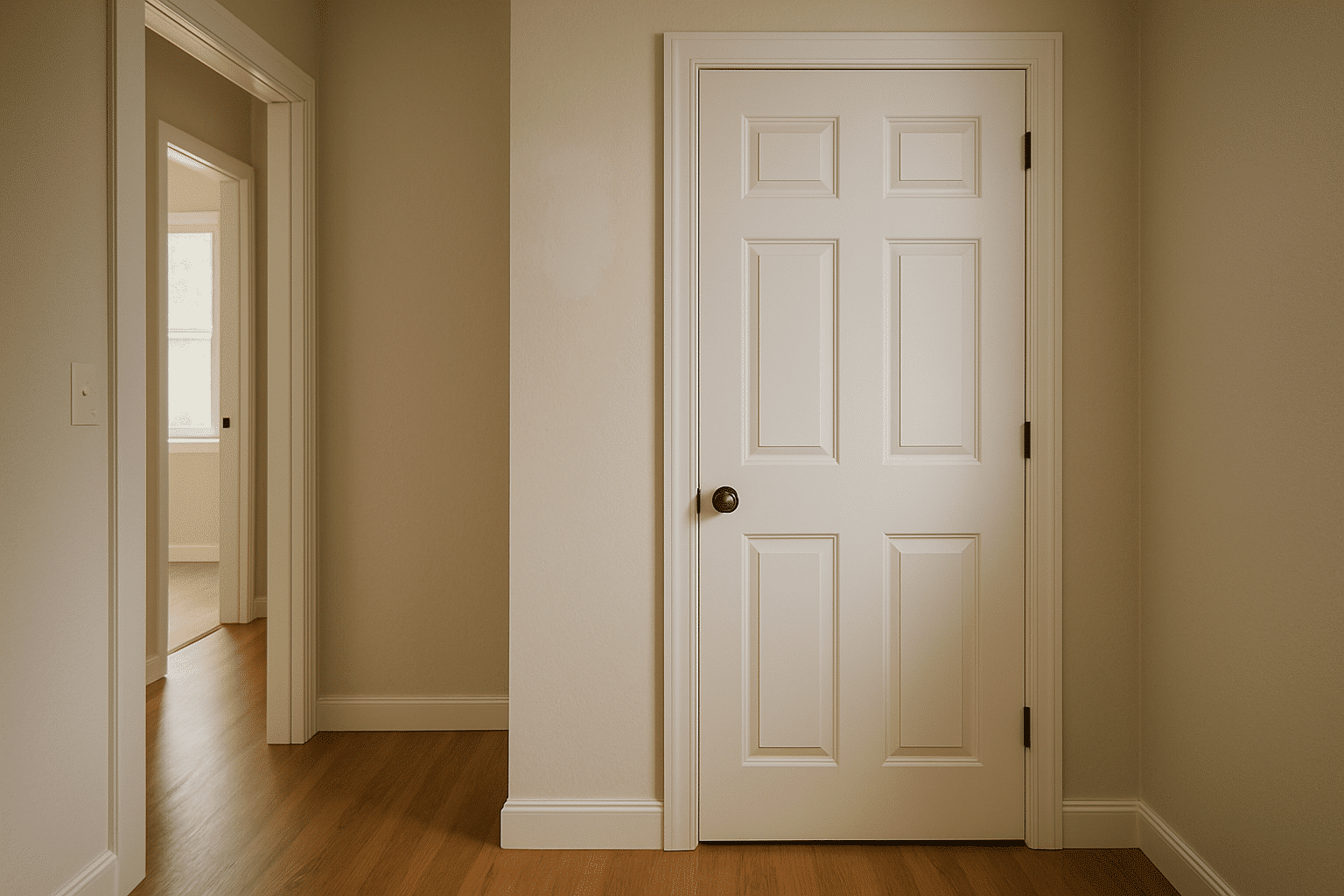
- Door rehang, hinge realignment, strike plate adjustment, and frame correction for doors that stick, drag, or won't latch
- Baseboard trim replacement, profile-matched replacement sections, mitered corners, caulked and painted finish
- Tile grout repair, cracked or missing grout removed and replaced to restore the moisture seal on tiled surfaces
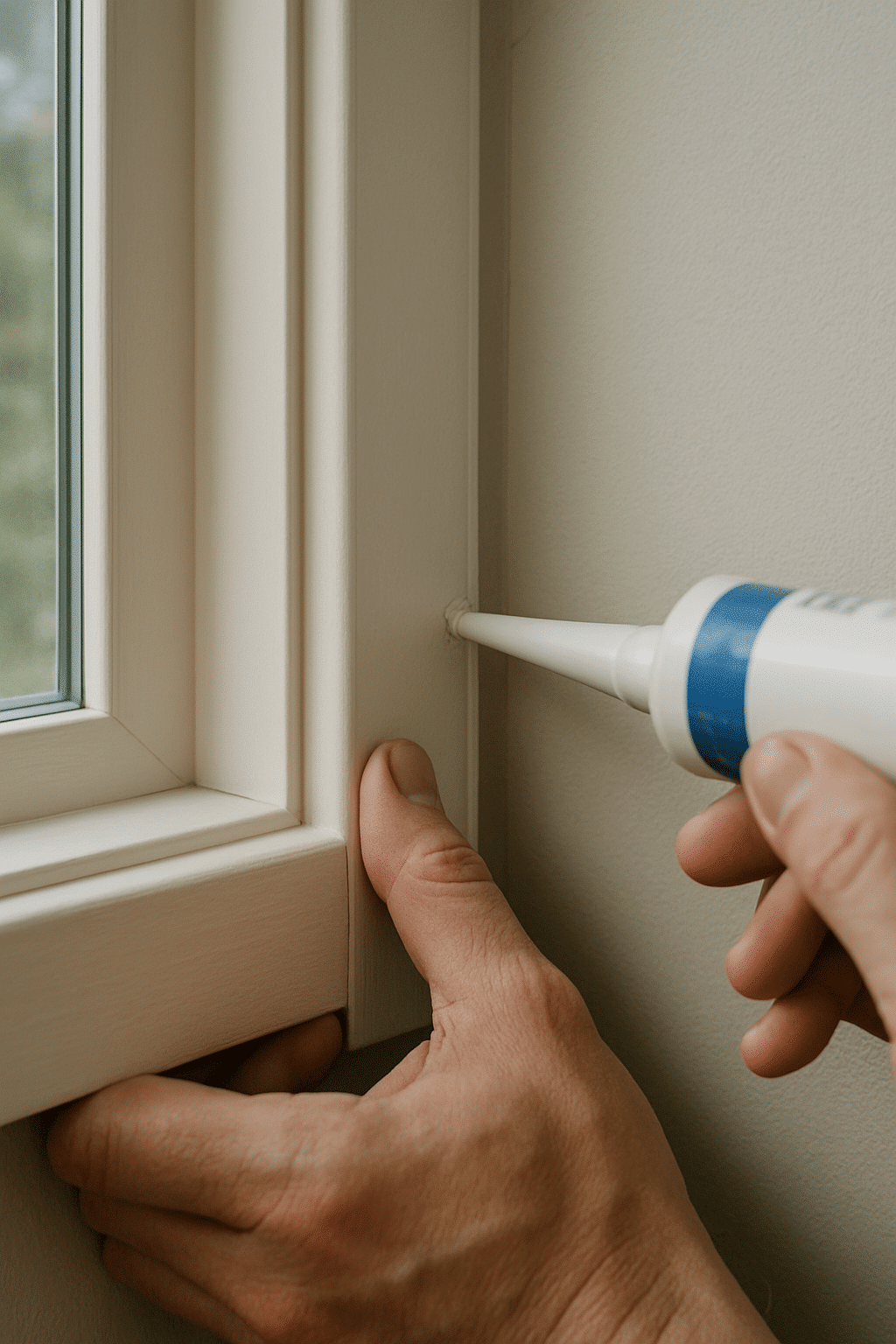
- Caulk replacement, old or discolored caulk at tub surrounds, window frames, and thresholds replaced with fresh silicone or latex
- Minor frame adjustments, threshold leveling, door stop repositioning, and interior hardware alignment
If your problem is on that list, we can address it without wrapping it into a scope larger than what the condition warrants.
Where We Build
Serving Seattle Neighborhoods for Minor Repairs Since 2015
RT Signature Homes has dispatched project managers across Seattle's residential neighborhoods for repair assessments since 2015.

From the Owner
What I See When I Walk a Home for a Repair Assessment
Most minor repair jobs reveal one of two things: a surface problem or a pattern.
Here's how a typical assessment goes. A homeowner calls about a drywall hole, maybe six inches across, in a bedroom wall. We schedule a visit. I look at the hole itself: what caused it, how the surrounding drywall is holding, whether the texture around it is skip trowel or orange peel, and whether matching it requires feathering a larger area or just the patch zone.
Then I look at the door in that same room. It's dragging on the carpet on the pull side. That's almost always a hinge issue, the top hinge has worked loose, the door has dropped, and the strike plate is no longer catching cleanly. A door rehang here means resetting the hinge mortises, possibly installing longer screws into the framing behind the jamb, and adjusting the strike plate position by about an eighth of an inch.
I look at the baseboard in the hallway outside. There's a section, maybe two feet, that was pulled away from the wall during a floor installation and never replaced. The profile is a standard colonial casing. We can source a match, cut it to fit, miter the corner, and finish it in the same visit as the drywall work.
That's the scope. Three repairs, one site visit, one crew. No separate scheduling for each trade. No overhead layered on top of a small job.
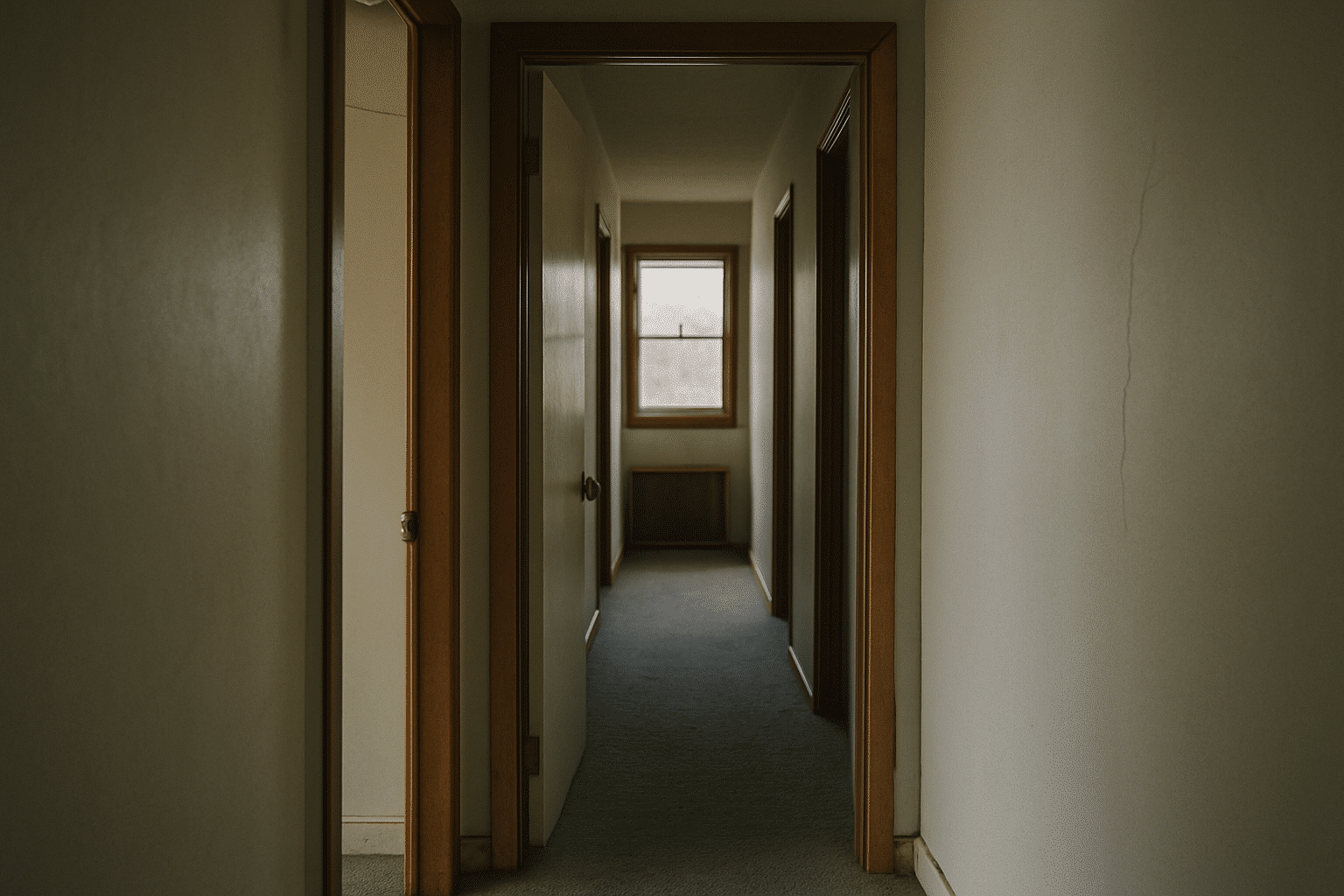
Here's the other thing I watch for: when the list of repairs starts pointing to the same cause. Multiple sticking doors on the same side of the house, drywall cracks at similar heights in adjacent rooms, baseboards separating from the floor in a consistent pattern, these can signal ongoing house settling that individual repairs won't resolve. I'll name that directly. Homeowners deserve to know if what they're seeing is a surface condition or a pattern that warrants a broader scope review.
What We Do
Your Repair Scope Stays Exactly What You Asked For
Every repair scope is assessed against what the condition actually warrants, not against a project minimum.
When a project manager walks your home, the assessment is specific to what you called about. If the repair is a standalone fix, we say so and scope it as one. If the repair reveals a condition that points toward a larger conversation, rotted framing behind a drywall patch, a door hinge pulling away from deteriorated wood, we'll describe what we found and what it means. You decide what happens next. There is no minimum project size required to work with RT Signature Homes.
The scope threshold, the point at which a collection of minor repairs crosses into territory that warrants a partial remodel, is a judgment call. We make it based on the condition, not the invoice. When that line is crossed, we can discuss interior remodeling for larger scope projects, but only if that's genuinely what the condition calls for.
Our Standards
Our Standards for Minor Interior Repair Work
Every repair is finished to match, texture, profile, and paint ready for inspection.
Small jobs done poorly are visible. A drywall patch that doesn't match the surrounding texture. A baseboard section in a different profile. A door that closes better than before but still doesn't latch cleanly. Our standards on minor interior repairs:
- Texture matching on drywall patches, skip trowel, orange peel, or smooth, confirmed before the patch is applied, not after
- Profile matching on baseboard trim replacement, replacement section sourced to match the existing run before any cuts are made
- Door rehang confirmed to latch and swing, not just adjusted, but tested to full closure and latch engagement before the crew leaves
- Caulk replacement in full bead runs, old caulk fully removed before new application; no caulk-over-caulk patches
- Grout color matched to existing joint, grout sample compared to the surrounding field before any grout is mixed
- Finished surfaces paint-ready, sanded smooth, primed where required, and ready for the homeowner's touch-up coat
For work in older Seattle homes, we follow EPA Renovation, Repair and Painting program guidelines where lead paint compliance applies. We don't hand off finishing work. The crew that does the repair carries the job to paint-ready.
Related services we also provide include flooring installation and repair in Seattle when repair assessments surface conditions that extend beyond trim and drywall.

The Process
How a Minor Repair Project Works at RT Signature Homes
One site visit confirms scope, materials, and timeline before any work begins.
Assessment Visit
A project manager visits the home. We walk every item on the repair list, not just the one you called about first. Each repair is assessed individually: what's causing it, what the correct fix is, and whether it connects to anything else we should name before work starts.
We confirm texture type on drywall surfaces. We test door swing and latch engagement. We photograph baseboard profiles and existing grout joints. Nothing is ordered or scheduled until the scope is agreed on. Most minor interior repairs do not require permits, but where questions arise we refer to Seattle SDCI permit requirements to confirm before work begins.
Repair Visit
Repairs are scheduled as a coordinated visit, not as separate trades dispatched on separate days. The same crew handles the drywall patch repair, the door rehang, and the trim replacement in one mobilization. For small repair scopes in Seattle, this matters. Scheduling three separate visits to a Capitol Hill apartment or a Wallingford bungalow adds friction that doesn't serve the homeowner.
Materials, replacement baseboard stock, patch compound, grout, caulk, are sourced and confirmed before the visit. We don't arrive and discover the profile doesn't match. When a door condition goes beyond rehanging and points toward a full replacement, we can also address window and door replacement in Seattle as a separate or combined scope.
Post-Repair Check
Before leaving, we test every repair. Doors swing and latch. Patches are feathered smooth. Baseboard corners are seated and caulked. Grout lines are clean and even. If something doesn't meet the standard, we address it before the crew leaves the property.

Where We Build
Seattle Neighborhoods and Cities Where We Handle Interior Repairs
RT Signature Homes accepts repair projects across Seattle and the surrounding metro.

Common Questions
Frequently Asked Questions
How much do minor interior repairs typically cost with RT Signature Homes?
Minor interior repair costs vary by repair type and quantity. A single drywall patch runs less than a door rehang plus baseboard replacement combined. RT Signature Homes scopes each repair individually, you pay for what your specific list requires, not a bundled minimum. There is no minimum project size to work with us.
How long does a minor interior repair visit take from first call to finished work?
Most minor repair scopes are completed in one to two visits. The first visit is a paid assessment, your project manager walks every item, confirms materials, and sets a repair date. The repair visit is typically scheduled within one to two weeks of assessment, depending on material sourcing.
Does RT Signature Homes repair one item, or do I need a full list to make it worth scheduling?
One repair is enough to schedule a site visit. RT Signature Homes accepts single-item scopes, one drywall patch, one door rehang, one grout repair. No minimum scope is required. Homeowners who call about one item often add two or three once the project manager walks the space.
My door sticks in winter but swings fine in summer, does it need a rehang?
Seasonal sticking is usually caused by moisture swelling the door or frame, not by a misaligned hinge. A project manager can assess whether the movement is seasonal or structural. Hinge realignment solves a misaligned door. A door that only swells seasonally may need a different adjustment at the top corner.
How does RT Signature Homes match drywall texture on a patch, will the repair be visible?
Texture type is confirmed before the patch compound is applied, not after. Our crew identifies whether your wall is skip trowel, orange peel, or smooth, then matches it during application. A correctly feathered and textured patch is not visible after painting. Visible patches are a finishing failure, not an acceptable outcome.
What is the difference between a repair RT Signature Homes handles and one that points to a bigger problem?
Surface damage, holes, cracks, stained caulk, dragging doors, is handled as standalone repair. Patterns across a home point to something deeper. Multiple sticking doors, cracks at consistent heights, and baseboards lifting in the same zone can signal ongoing house settling. If a pattern like that appears during the assessment, your project manager will name it directly so you can decide what to do next. ##